Printing the Future

Elizabeth Royte’s visit to 3D Systems headquarters in Rock Hill, South Carolina prompted her to ponder a philosophical quandry: just because anyone’s idea can take shape doesn’t necessarily mean that it should.
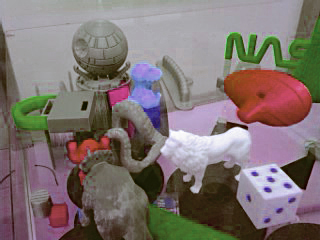
What really is the value of endless quantities of 3D objects – from miniature vases, phone cases to neon coloured skulls ? Perhaps this question has been lurking around well before the advent of 3D printing. The manufacture of endless ‘stuff’ is nothing new. Just ask your friendly archaeologist at their favourite Roman dig.

So what is 3D printing good for?
The additive process of 3D printing enables a far less wasteful process over the subtractive process of assembly line production. You can produce a single custom part for a car dashboard, key holder or child’s tricycle. You can print personalised items (including a loved one’s name for example) or design and manufacture your own innovation from concept through to final construction.

Elaborate food design is now possible. 3D printed chocolate deserts and incredible icing sugar lacework enhances wedding decorations and personalises any occasion. Contemporary cuisine combines techniques impossible just a few short years ago.

The International Space Station has had a 3D printer on board since 2014. Invariably the demand for a specific part requires a solution that is better solved on the ISS rather than waiting for the next cargo shipment – often months away.

3D printing application is ideal for Prosthetic limb construction. Instead of paying as much as $70,000 for artificial replacement that is made from moulded plastics and metals – and quite often needs replacing if fitted for a growing child – one can be printed for as little as $200. What’s more, the appearance can be personalised and now embraces (what would seem unlikely definition) the fashionable.
Printing of human tissue for body parts is now possible and recently a printed human ear fitted with a hearing device was printed at Princeton University. it consists of printed human tissue and silicone. The application for these techniques is far reaching and includes constructing new skin for cancer patients.

Stories abound in current media of unimagined applications for 3D printing: Will they print advanced weaponry from home? And what about printing yourself a TV dinner? While it may seem fanciful, these stories are not too far from reality. We are witnessing a revolution in manufacture; already we can send a digital file to a company that will print your own design in ceramic, gold or steel. See www.shapeways.com and www.sculpteo.com.

Radical technological advances in manufacture such as these have not been seen since the industrial revolution and it is not unreasonable to expect even more in the near future.
Different Differential


head-pic

Get the gear

I am basically tipping my hat to the hobby engineers out there. Somewhere along the way I needed a ‘universal joint’ but research efforts far outweighed practical knowledge. This post acknowledges those that inhabit the world of, wait for it… gears.

Hypothetical gear config @ 60 degrees:

60-degree-alt

and a nice write up on gears:

http://www.explainthatstuff.com/gears.html

To bevel or not to bevel

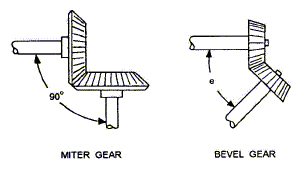
In my research I came across some confusion in terminology (or probably my own). While mitre gears (or miter) fall into the category of bevel gears – gears of various angles – the term denotes a motion transfer of 90 degrees.

bevel-and-mitre

Some instances of rotation require antithetical movement such as counter rotation.

So what is the application for this type of gearing I hear you ask ?

Well, as Beatty Robotics outlined, NASA employs a similar setup for their Mars Rover to enable mobility over rocky terrain (beatty-robotics.com). And check out Beatty’s own fab counter rotation differential.

So here is my build for a similar axle. Needing a prototype setup to try things out I used adjustable parts such as bearings mounts, spacers, collars etc before constructing the 3 geared version. Casings, blocks and collars are aluminium.

Take your camera to the Tour Down Under


line-up-3-alt-(picket-fence)
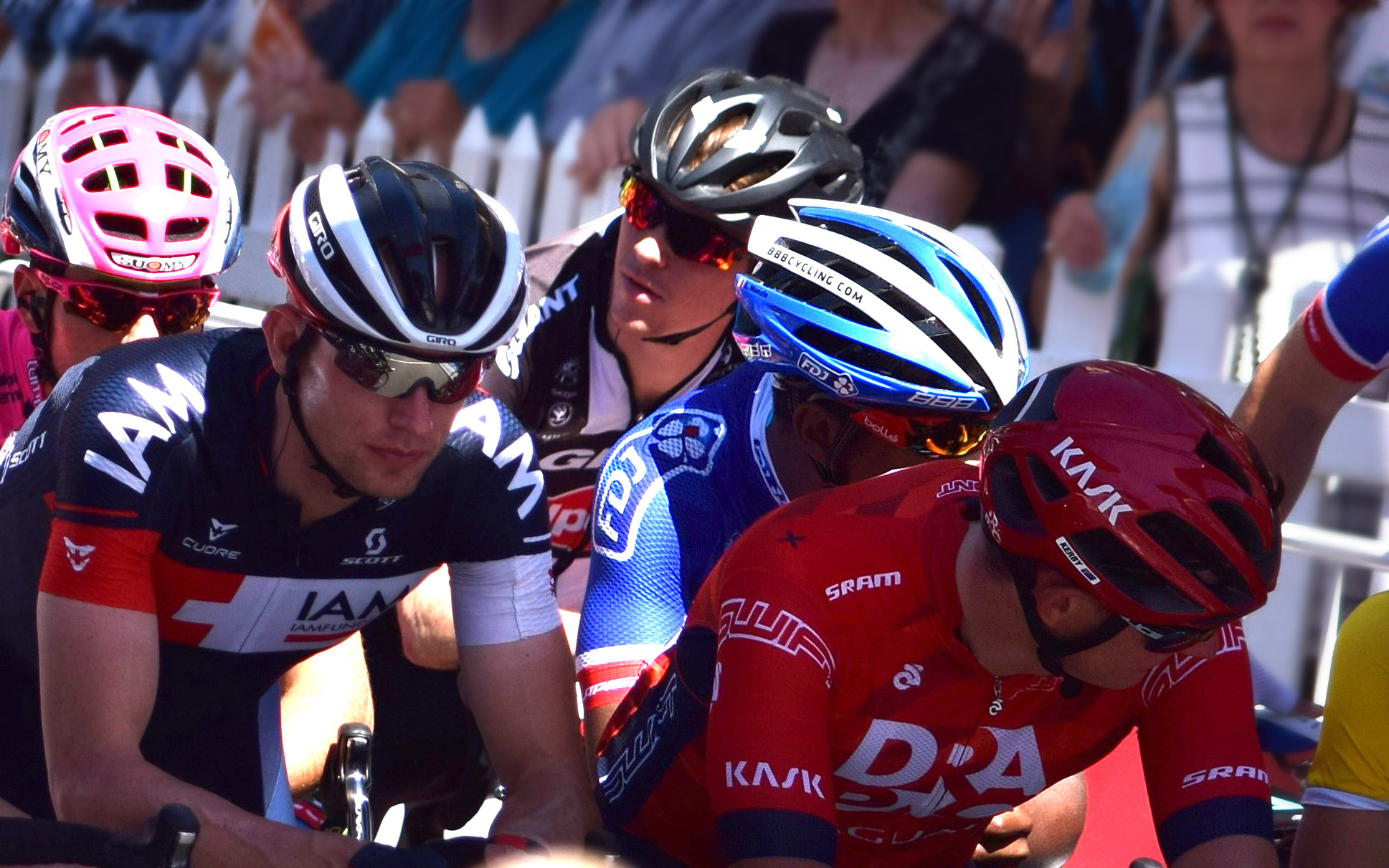
Lining up

Stage three of the Tour Down Under is an exciting and immersive experience filled with a heady mix of high tech machines and physicality.

The TDU is now fifteen years old and that a city should embrace cycling with such commitment and vitality is testimony to its success. Similarly, other festival cities such as Monaco and Edinburgh seem to share a mix of community and festive spirit that is perhaps the envy of larger cities.

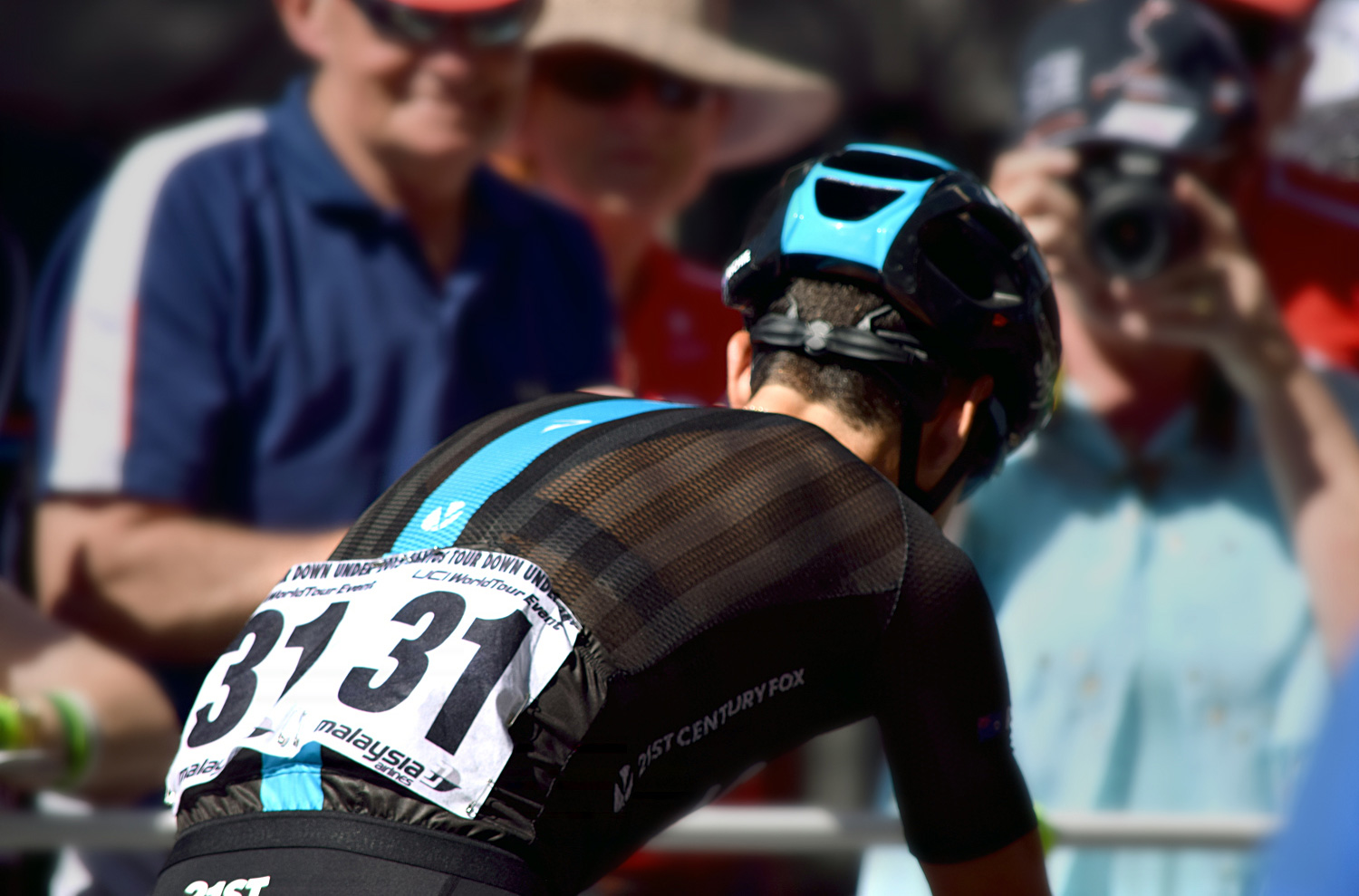
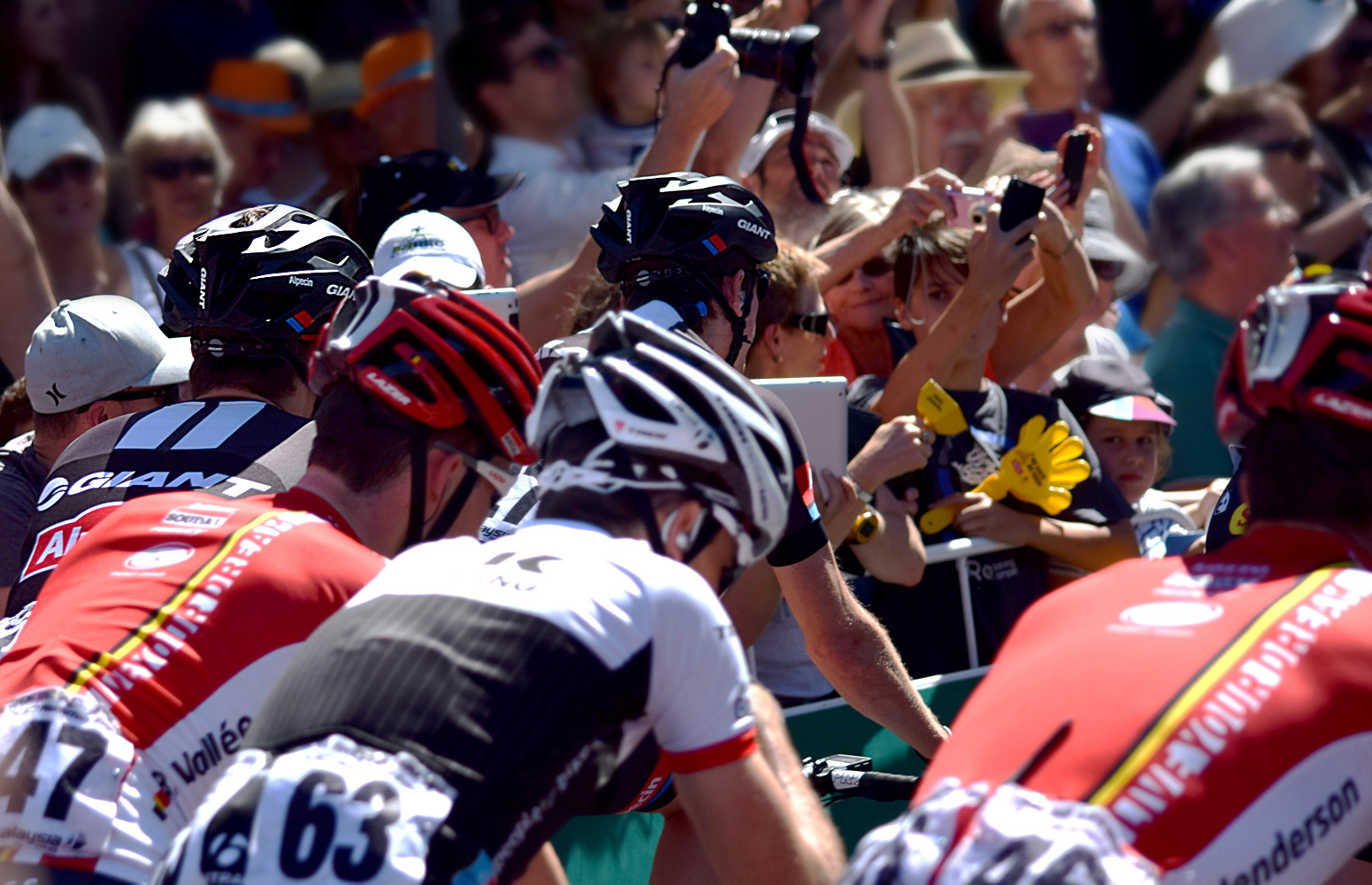
Stage three begins at Norwood in the city with a challenging race distance of 143.2 km ending at Paracombe nestled in the Adelaide Hills. But the competitors are all smiles and easy charm as they breeze past the media throng taking it ‘in their stride’. Their attention is fleeting as they prepare themselves slowly circling on carbon fibre technology and congregating at the start line. And in a blink of an eye the cyclists are already pacing away followed up by the team cars and support crew. Its a beautiful, festive sight and the buoyant crowd is anticipating a tremendous marathon race.

Big bike

Ironically the first english speaking World Tour stage race, the TDU has rapidly gained world attention for its combination of superstars as well as the cream of Australian Cycling. 2015 marks the final Tour for champion cyclist Cadel Evans. Since its beginning in 1999, the race has grown from relatively obscurity to an impressive international event with a television audience of many millions. It is a six day event with various stages and cyclists competing for the coveted Ochre Jersey. Part of the success of the Tour has to do with its uniqueness (aside from its considerable organisation and sponsorship): the rolling hills and sunny aspect (a welcome relief from Northern Hemisphere winter) has exciting finishes demanding sprints and drawing big crowds in finishing towns. The other is the winding course through regional settlements and wineries strikingly similar to their race counterparts (Southern France, Spain et el).

richie-3
Richie Porte


It is not surprising that all-out sprinters such as Andre Greipel are so suited to TDU winning eleven stages. Finally and not least, the Tour’s success has to do with the city’s enthusiasm and embracing it with a zeal that has as much to with its fanatical and genuine cycle culture as its inherent festival culture. The Bupa Stage Four of the TDU attracts thousand of recreational participants. It is also not surprising the TDU is contributing to the rise of the sport in this country and enabling it to become one of the strongest cycling nations.

cycling-away
Away

Sources:

(1) http://en.wikipedia.org/wiki/Tour_Down_Under

(2) ‘A brief history of the Tour Down Under’ by Duncan Palmer

http://www.madegood.org/bikes/magazine/tour-down-under/

(3) Nikon DSLR camera


bike-stack-best-alt
Team backup
giant-inflatable-greener
Giant inflatable
Santos rep
orica-green-edge
Orica GreenEdge