Dangerous curves

Who is your favorite historical figure?

Spending most of my life in the arts because of personal bias and without reasonable perspective, I might choose someone like Van Gogh, Rimbaud or Hildegard of Bingen.

But I am old enough to appreciate my limited view. Taking nothing from the aforementioned, I have wound up knowing more about less (or is it less about more, more or less? Dah).

A grander view would include Newton, Epicurus or Joan of Arc but I know little about them. These days I like the left field characters, the misfits that take the untrodden path. Moondog, Thelonious Monk, Erik Satie.

Oh but I forgot to mention the irresistible. A most uncompromising historical figure. Someone who has survived boundless human endeavour and vicissitudes. A force of matchless beauty and remains undiminished from centuries past. Oh, Venus de Milo you have dangerous curves! I have a crush on you (a stone crush).

Frida Kahlo

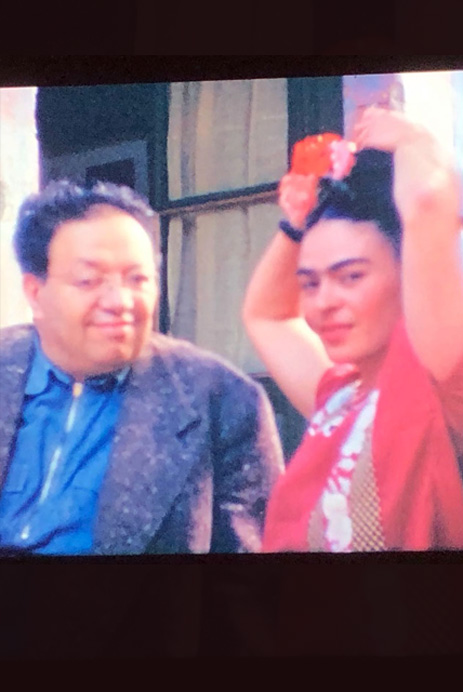
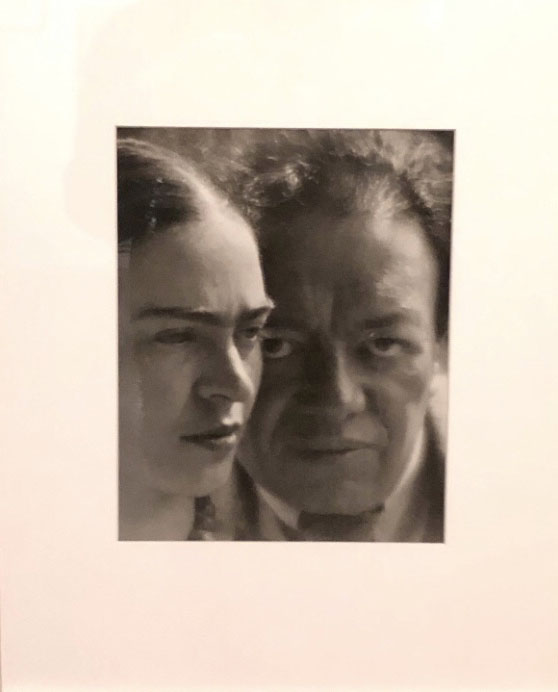
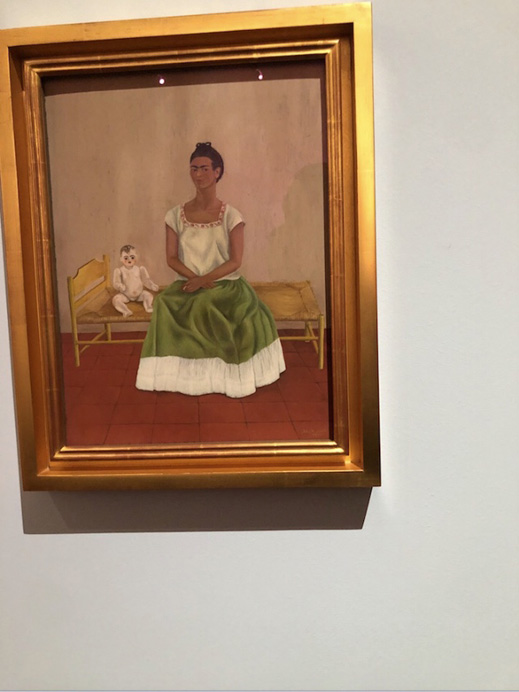
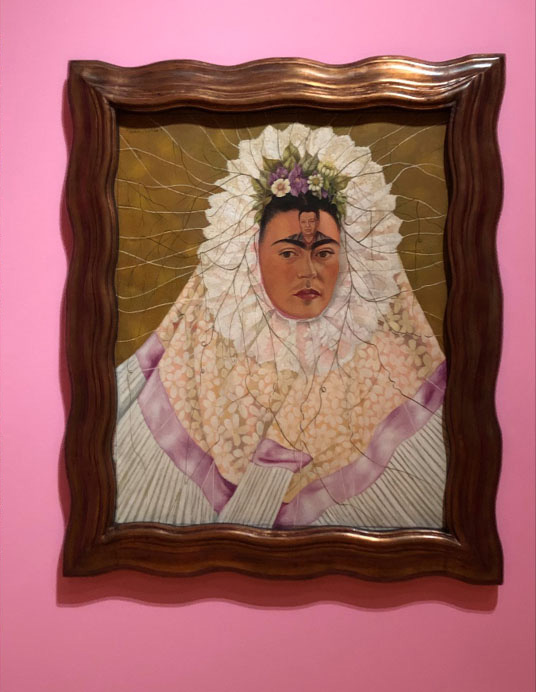
I have never seen a Frida Kahlo painting until I had the opportunity to attend the Frida & Diego: Love & Revolution exhibition at the AGSA. There are roughly 150 works from the Jacques and Natasha Gelman Collection showcasing some of Frida’s most iconic works. The show is especially successful because her work hangs side by side with Diego Rivera’s and affords the chance to be seen in the broader context of the Mexican Modernist movement. I will focus primarily on Frida’s work for the sake of this discussion. 

Different clay

Christmas presents pose more than a challenge for the likes of moir, especially for the younger family members. So I take thee over to the art shop hoping for random inspiration (or a welcome distraction). What’s going on? What are all these materials?  Aargh, I feel sidelined again. It’s all new to me. I beeline to the sculpture supplies and recognize clay and Plasticine. What is balsa wood doing in an art shop? It’s been a while. Now I’m overwhelmed. But I came here for some answers. Air dry clay? I search the internet and it’s so confusing. A week later I discover six types of non kiln firing clay.
Polymer clay
Polyvinyl chloride based oven baked clay. It shapes easily and seems to have become the Lego of new generation clay. Think Schleich figurines and plastic plumbing. PVC has a mid weight feel.  Compares favorably to earthen clay which is quite a claim. Takes equally well to fine detail.
Paper clay
Very versatile clay. While not replicating the qualities of earthen clay it is light weight and air drying. These advantages alone set it apart.
Cold porcelain
Main ingredients are corn starch and PVA. It has a unique semi translucency. Ideal for jewellery as it is heavier then paper air dry and takes to fine detail. But it’s food for insects so be prepared for potential damage down the track.
Epoxy clay
Two part epoxy. Has a fixed curing time so requires adequate preparation.
Earthen air dry
If you imagine regular earthen clay without any need for kiln firing. It is also mineral based and the most popular air dry clay. Could be seen as an alternative to traditional clay and has the same weight. Ideal for professionals and beginners  alike.
Magic clay
A relative newcomer to the shelves but a real competitor especially in the kids market. No kneading required and has a smooth consistency. While it doesn’t have density and body for complex form it takes to simple shape making. Remarkably light and flexible when dry.

Adelaide Fringe

An unremarkable array of tents buried in a grove of trees on the edge of the city of Adelaide turns out to be something rather surprising. Along with Gluttony, The Garden of Unearthly Delights is a premier venue for the Fringe Festival and the number of colourful tents seem to grow year by year with the ever expanding festival of arts. During this time of the year WOMADelaide, the Festival and the Super Cars street race are held concurrently and it’s not surprising the locals call it mad March. To add to the drama, the weather is usually hot and dry but of course, the show goes on as they say.
As you enter the Garden the scene magically changes before your eyes as you are taken into an imaginative colourful and festive world. A potpourri of theatre, comedy and magic awaits – in fact some 700 artists contribute to the Fringe experience the best of which are staged at the Garden and Gluttony venues. Together they provide a hub for the thousands of festival goers. It could be described as a heady mix of circus slash Moulin Rouge slash avant-garde theatre. At nightfall it takes on a gothic, mysterious atmosphere with the costumed characters, magicians and Victorian parlours with the Garden even boasting a sizeable amusement park. It has also been dubbed the Melbourne Comedy Festival’s alt gig for the presence of comedians (but for the absence of cringeful Adelaide jokes).
The festival has steadily grown throughout the decades and boasts some 1,300 events staged across the city. It has become a premier event and is no longer a mere adjunct to The Adelaide Festival proper. From a motley array of local artists shows in 1960 including some by the Adelaide Festival itself, the Fringe finally became an incorporated body by 1975. Name changes from Focus (1976) to Adelaide Festival Fringe and later, the Adelaide Fringe Festival in 1992 reflect the inevitable cultural nuances that occur during a 60 year history. What started as a biennial community festival reflecting local artistic enterprise, is now a truly international and major annual event. The festival has come of age with the Made in Adelaide Award for winning artists to showcase their work at the Edinburgh Festival.