Category: environment
Reef bleach
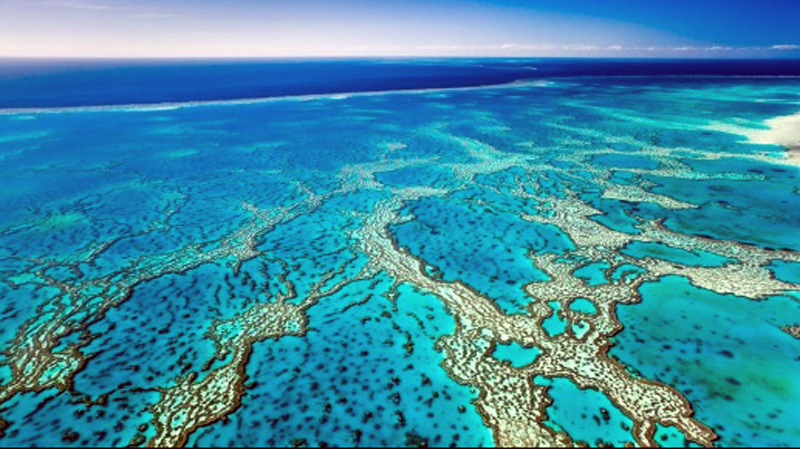
Coral reefs can take thousands of years to build but are surprisingly susceptible to climatic events. Coral bleaching is the primary cause of reef destruction. El Niño combined with rising sea temperatures have meant for the loss of up to 25 per cent of the Great Barrier Reef since 2014.
Past events have shown reefs recover from mass bleaching including the Great Barrier Reef – record sea temperatures in 1998 and 2002 saw more than 50 per cent bleaching but 95 per cent reef recovery once the temperatures normalized. However, given the sheer scope and rate of recent bleaching events, scientists fear the reef’s inability to recover and it has prompted them to take action. Continue reading Reef bleach
Roasted chestnuts
In your backyard..
The following fauna is familiar in the Australian bush and if you’re lucky you may see it in your backyard..
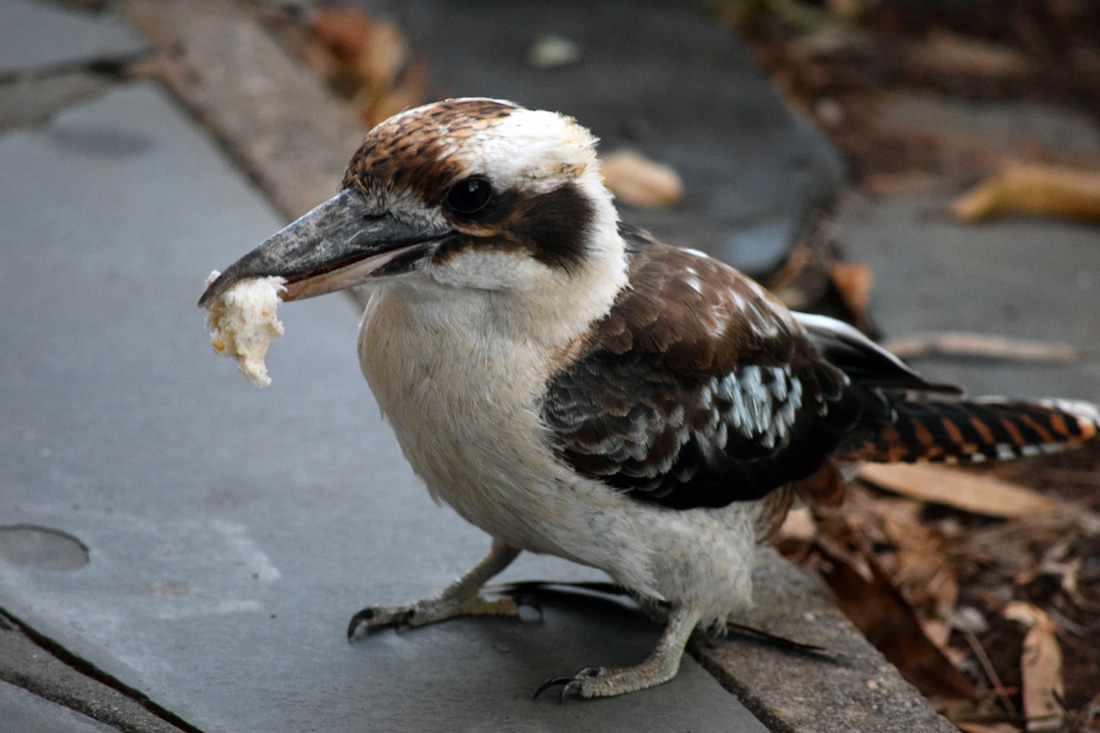
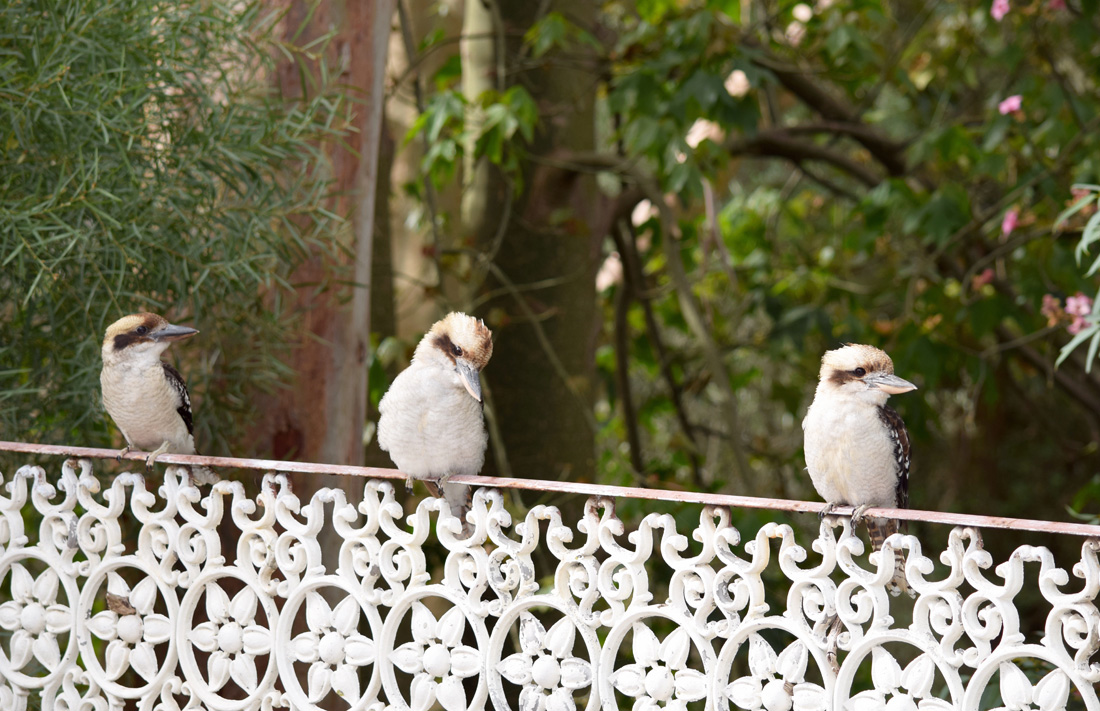
Perhaps for its iconic bird song alone, the Kookaburra’s distinctive laughter is quintessentially Australian.
It is a member of the Kingfisher family (of which there are more than ten Australian species)* and is also known as the laughing jackass.
It has a large head, a massive neck and bill for catching prey and breaking their necks. Earth tone camouflage plumage and the ability to perch motionless and undetected are ideally suited for catching prey.
*Of these there are strictly only two true kingfishers: the Azure Kingfisher and the Little Kingfisher of the genus Ceyx.
Kookaburra, Dacelo gigas
i) close-up

ii) ‘you can’t see me, i’m camouflaged’
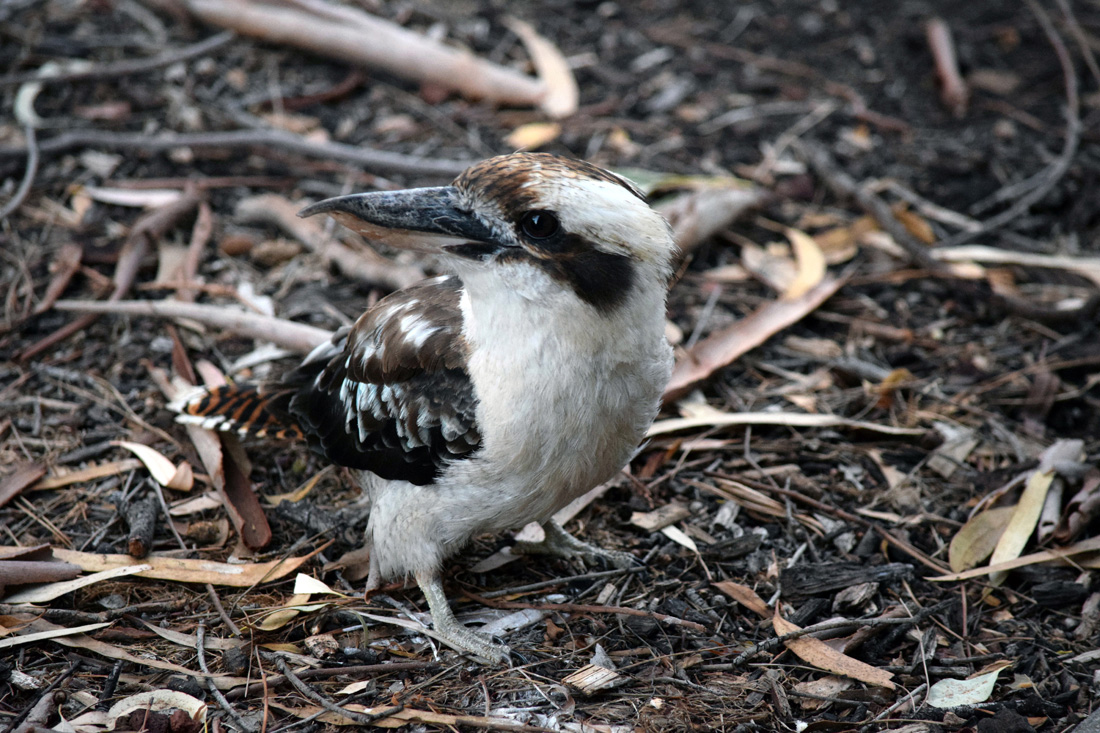
iii) ‘is this real grub?’
iv) three’s a crowd
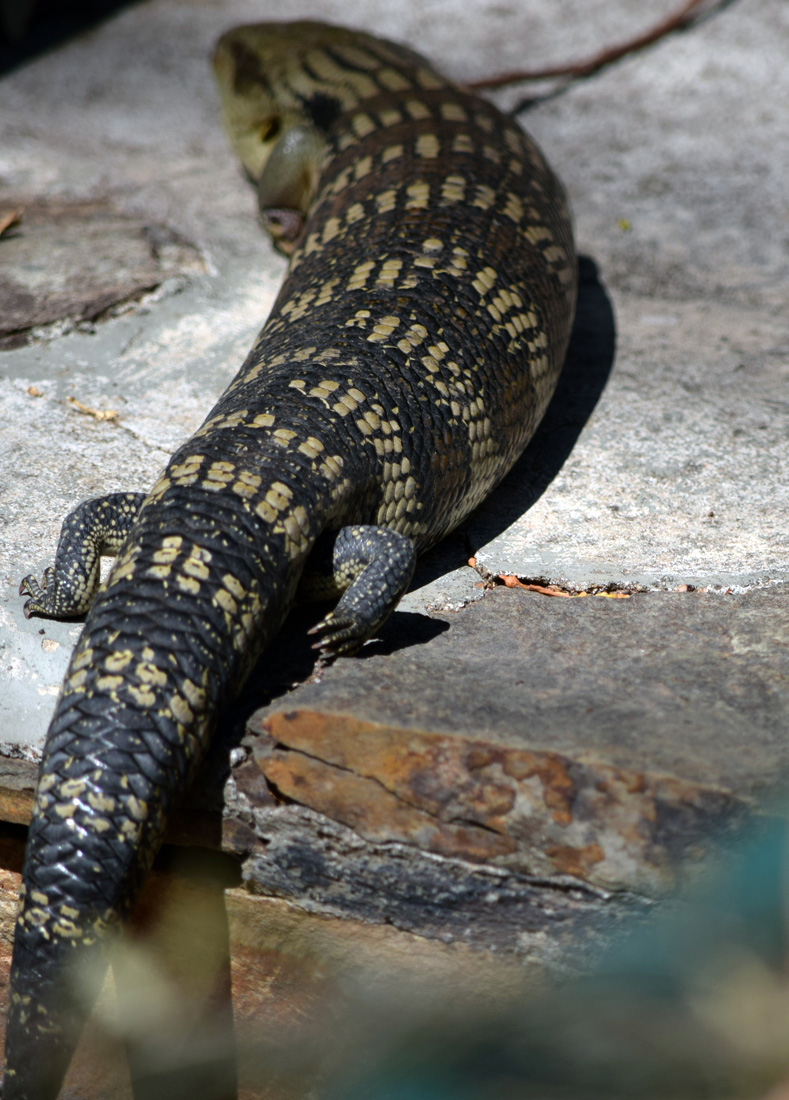
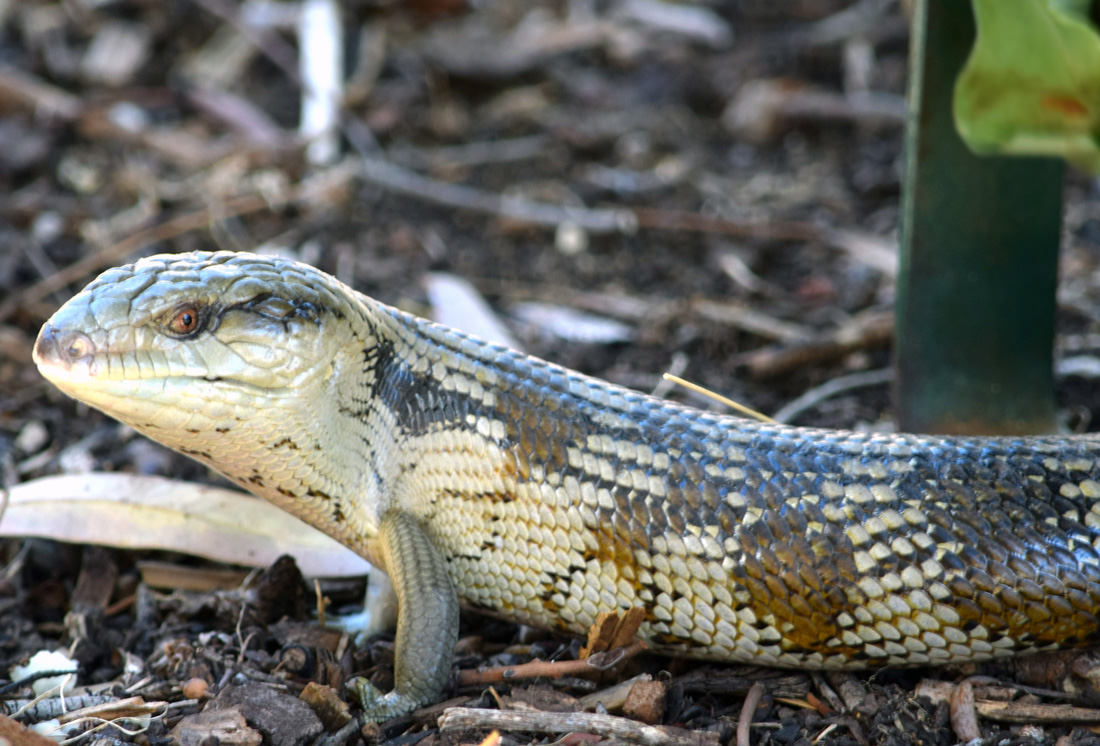
Aptly named the Blue tongue, the Tiliqua Scincoides or Blue Tongued Skink has a characteristic and distinct blue coloured tongue. It is a relatively large lizard, up to 45cm in length in some cases.
It is ground feeding, omnivorous and its diet includes snails, slugs, fruit, berries, flowers and insects. Grey stripes cover most of its body contrasting with a pale grey belly. The limbs are especially small and the head is a characteristic triangular shape.
It is relatively common in Australian suburbs and can be bred in captivity.
Blue Tongue, Tiliqua scincoides
i), ii) & iii) climbing a step

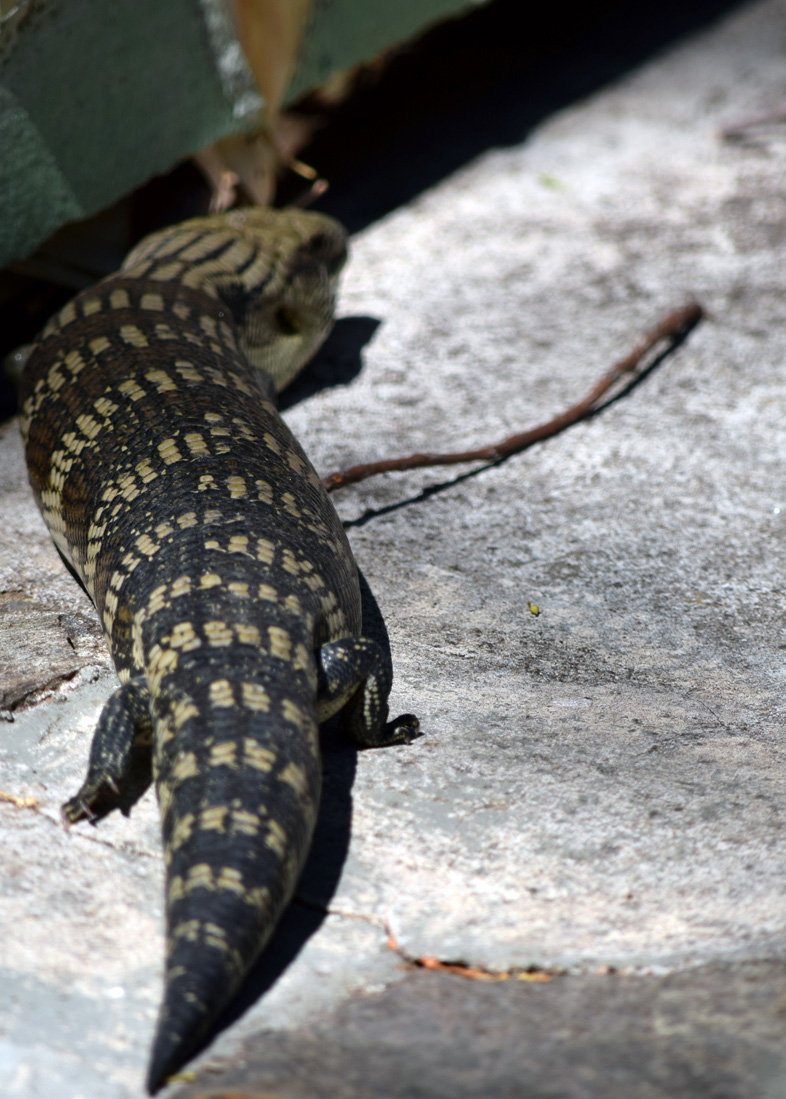
iv) ‘smile & i’ll crack the lens’ v) distant relative..
The Koala hardly needs an introduction as it is so celebrated and is universally recognised as an Australian symbol. Its closest living relative is the wombat and is found in coastal regions of Queensland, New South Wales, Victoria and South Australia (not Western Australia or Tasmania).
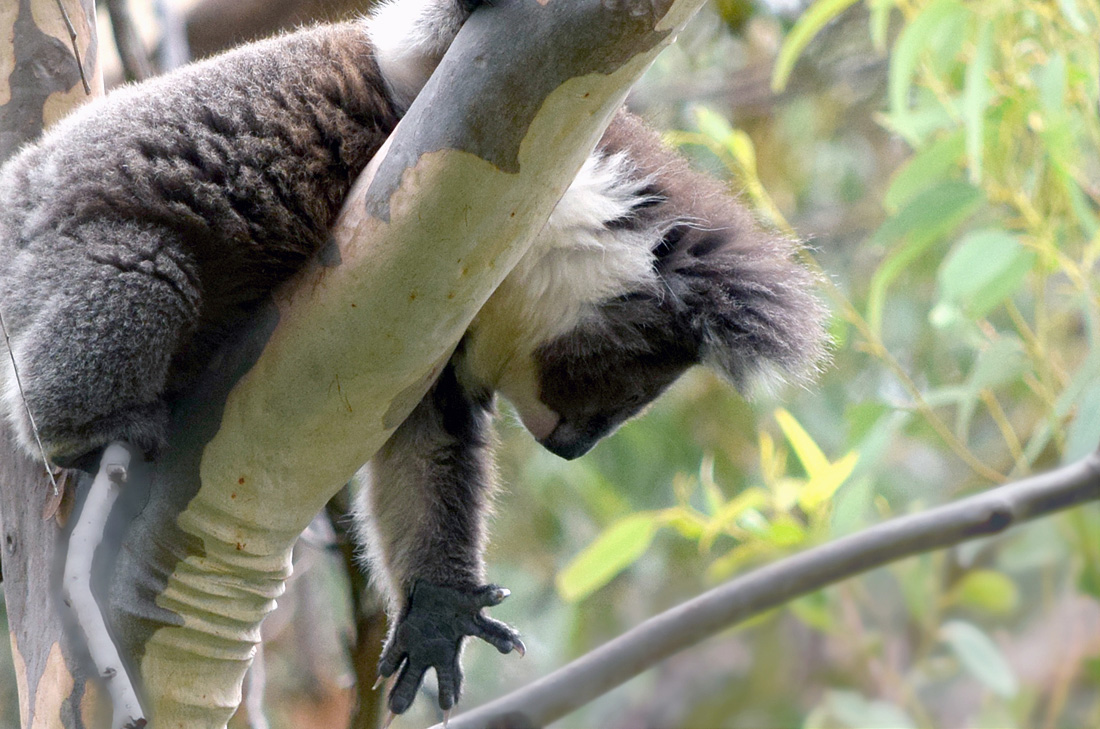
The diet is primarily eucalypt leaves and the limited nutritional and caloric content demands twenty hours of sleep a day.
If you see a koala up a tree alone and drenched in torrential rain, don’t underestimate it. Having especially thick insulating fur (the most of any marsupial) it is specifically adapted to stave off wind and rain as well as solar radiation. Unique body symmetry and long claws mean for tree scaling and effortless mobility in treetops.
Large scale culling of koalas early in Twentieth Century resulted in public outcry and the species is since protected and has established sanctuaries. Re-habitation and breeding programs are re-establishing numbers.
Koala, Phascolarctos cinereus
i) ‘yes, i know i’m handsome but hurry up’
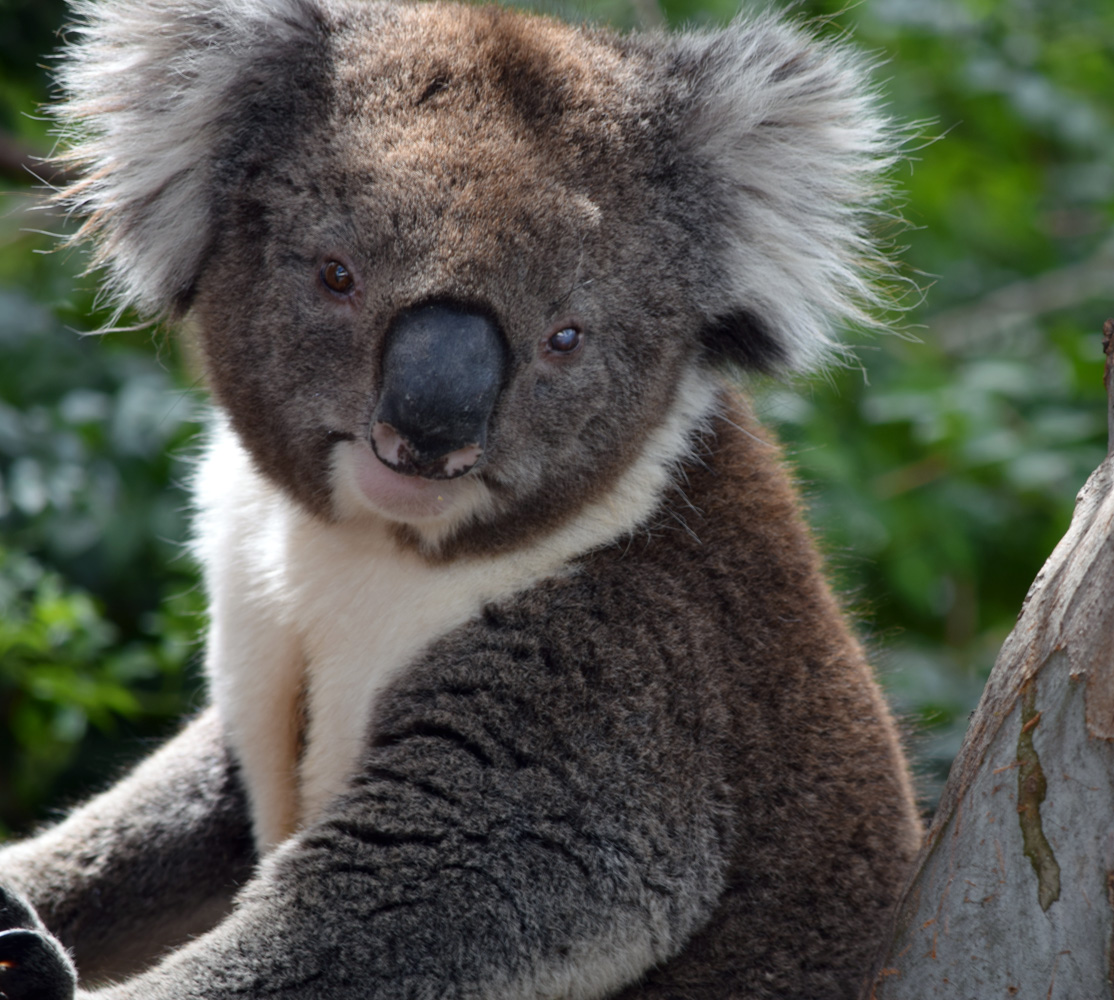
ii) well, hello
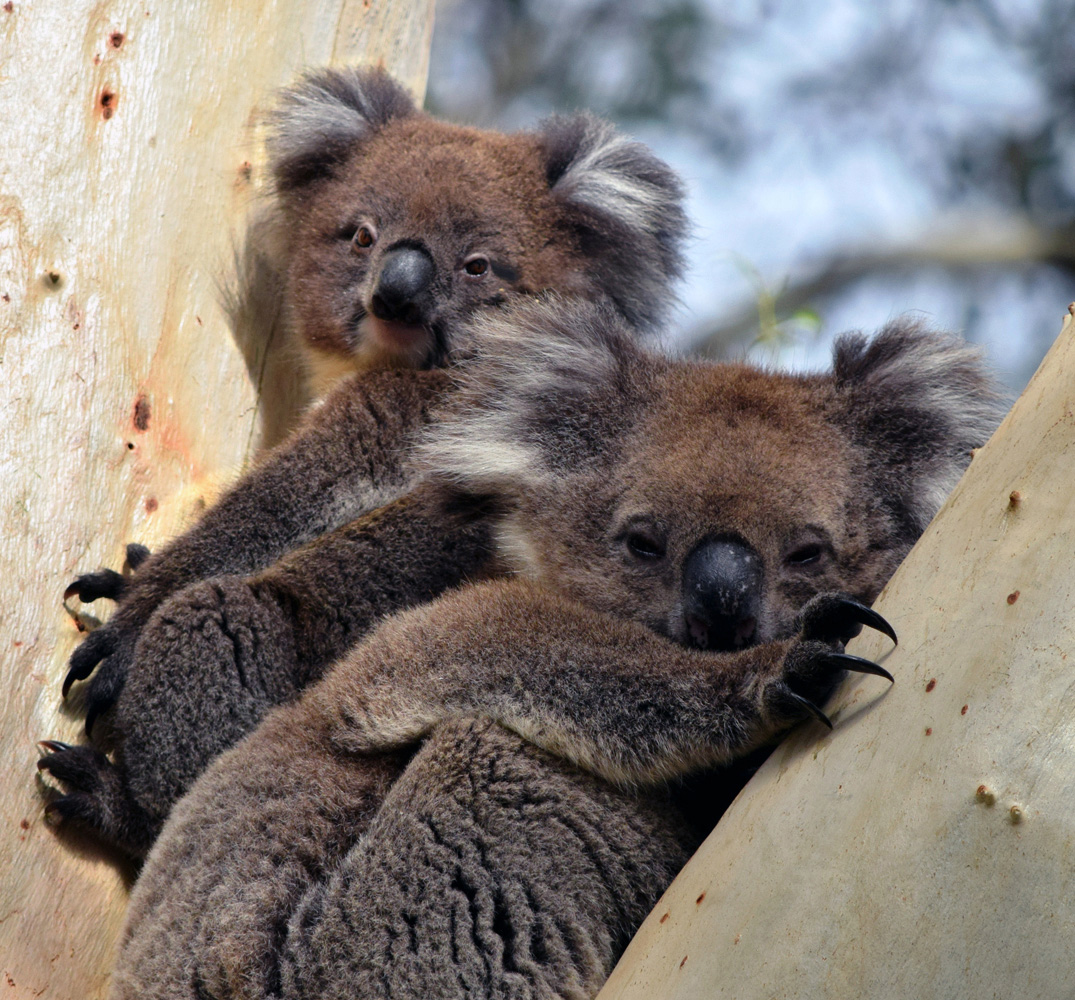
iii) two opposable digits for grasping
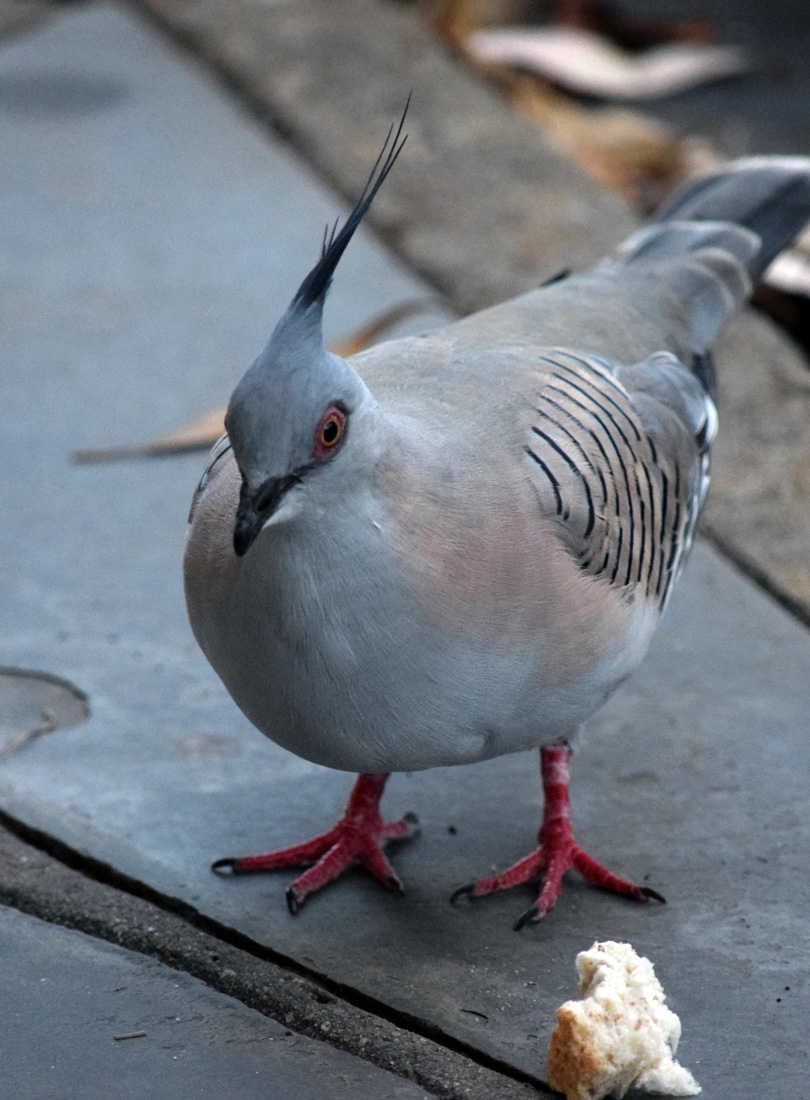
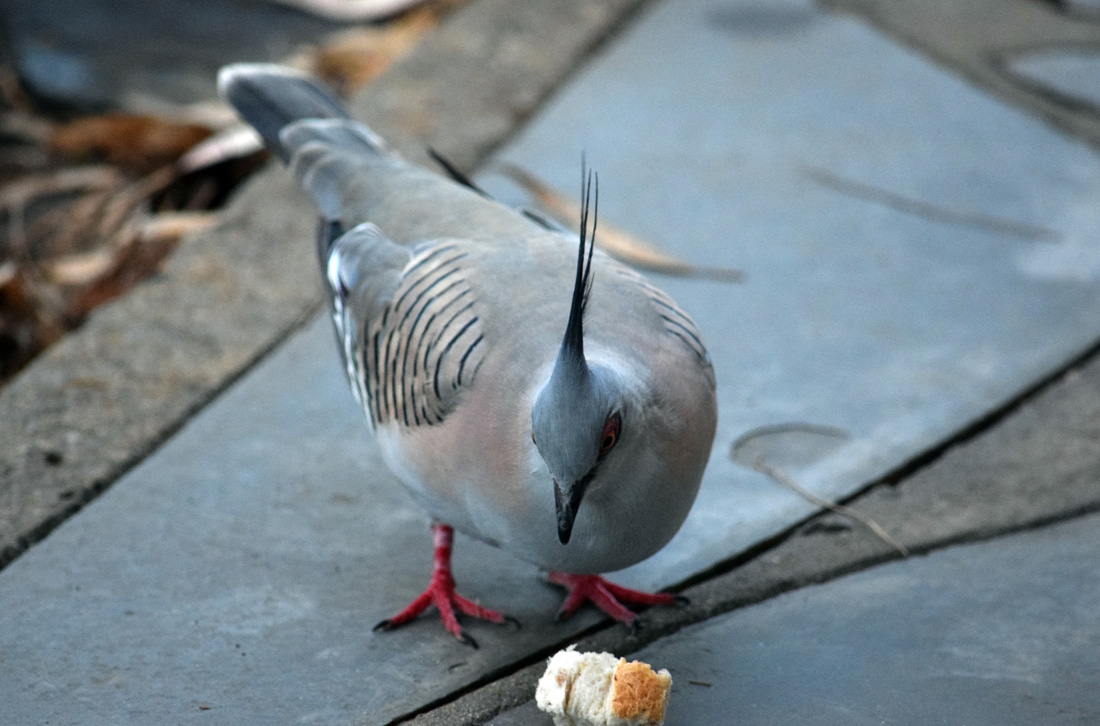
Champions of navigation and flying, pigeons and doves have adapted to vastly variable habitats. The Crested Pigeon is known for its beautiful head feathers, bright pink legs and feet and its subtle coloured wing feathers. A single ‘woo’ call and a special tinkling sound created during take-off are also distinctive. The Crested Pigeon must have close proximity to water.
Crested Pigeon, Ocyphaps lophotes
i), ii) & iii) ‘yes, i know i’m pretty’

(from Kuku koala)
 scribblesdotbiz