Alien Messages

messages from space

The media is littered with eye witness accounts of extraterrestrial encounters and while some seem genuine enough a vast number are discredited.

Of the plethora of sightings two distinctly different recorded accounts are worth mentioning here. Both are especially revealing.

Alphanumerical sequence

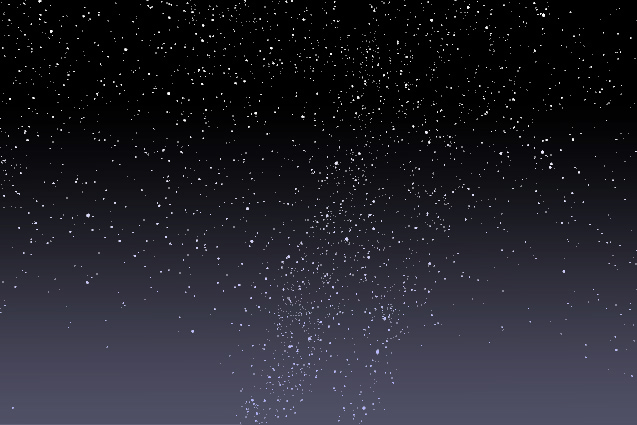
On August 15, 1977, an alphanumerical sequence 6EQUJ5 was recorded at the Big Ear radio observatory at the Ohio Sate University. The sequence, emanating from the constellation Sagittarius is regarded as the most persuasive evidence of extraterrestrial communication. A volunteer researcher named Jerry Ehman working at the observatory at the time, circled the sequence with a red pen and wrote ‘Wow’ in the margin. Observatory director John Krauss confirmed the finding and was astonished at the discovery. Lasting approximately 72 seconds the radio signal is known as the ‘Wow Signal’.

Continue reading Alien Messages

Meditation and A Bird Crossing the Sky

Today we have such a plethora of choices in non-western medicine it seems overwhelming: Theta, Reiki Spiritual Healing, Distance Reiki Healing, Chaka balancing, Crystal Healing, Aura Cleaning, Ascended Clairvoyance and Tarot, Wellbeing through Moon Tuning Astrology, Psychic Readings, Pineal/3rd Eye Activation, Quantum Bioenergetics Emotional Freedom Techniques, Quantum Touch Healing, Spectra Healing –  have I missed any?

No less exhausting is the choice of meditation practices: Open Monitoring Meditation, Effortless Presence & Focussed Attention Meditation. From Buddhism there is Metti, Sati, Vipassana & Zazen Mediation. Of Hindu there is Self Enquiry or Alma Vichara Meditation, Transcendental Meditation, Om Meditation & Yoga Meditation. Of Chinese there Qigong and Taoist Meditation. There is Christian Meditation, Binaural Beats Meditation and Guided Meditation.

In case you’ve forgotten Yoga, some groups to choose in your spare time are Anusara, Ashtana, Bikran, Hatha, Lyengar, Jivamukti, Kripalu, Kindalini, Restorative, Sivanand, Vini Yoga, Vinyasa/Power and Yin Yoga. Oh, and don’t forget Laughter Yoga..

To what extent do these practices include meditation? And although we acknowledge the profound healing properties of meditation a simple definition may prove to be more allusive than imagined. An exercise in the philosophically allusive could be as follows: Mindfulness is associated with meditation perhaps by way of explanation but how can this be when the very act of meditating is to free oneself of the mind or to enter a thoughtless state? Surely an awareness of thoughtlessness is to be mindful.. Oh dear, I don’t think I am any closer.

Fortunately there is a better definition and one that gives us greater understanding. Kim Zetta in her essay entitled ‘Keep taking The Meditation’ defines it as ‘a method of mental training that involves focussed attention for the purpose of spiritual development or self actualisation’

Is it possible to fathom the fascinating and equally allusive process of meditation by way of science? Doctor Richard Davidson’s research at The University of Wisconsin surely demonstrates this. What follows is testament not only to the interconnectedness of science & mind but also evidence to the lasting health benefits of meditation.

A Buddhist monk called Öser underwent Functional Magnetic Resonance Imaging (or fMRI) testing in order to discover the mysterious workings of the mind during meditation. As a trained Molecular Biologist (Institut Pasteur in Paris), Öser patiently alternated between meditation and rest while his brain’s activity was recorded.

And in the process Doctor Richard Davidson and his team of scientists at the Laboratory for Affective Neuroscience discovered a phenomena whereby the practice of meditation can effectively ‘rewire’ the human brain for health and happiness. They measured activity in Öser’s left prefrontal cortex, the part most associated with feelings of happiness & joy and observed cerebral activity to be off the chart even when at rest between his focussed meditation.

According to Davidson, extensive research suggests that meditating strengthens parts of the brain that reduce fear and anger so bringing about happiness & general well being. It seems to have a cumulative effect over time reducing the depth of negative emotions. Meditation appears to generate an individual’s overall positive state so becoming their emotional default, as it were.

Part of Öser’s test included the unexpected firing of a gun and although a slight increase in heart rate and blood pressure were recorded during meditation he seemed hardly to react. Other subjects taking the test could not suppress their reaction to this unexpected shocking disturbance. In Öser’s words it seemed as uneventful as ‘a bird crossing the sky’.

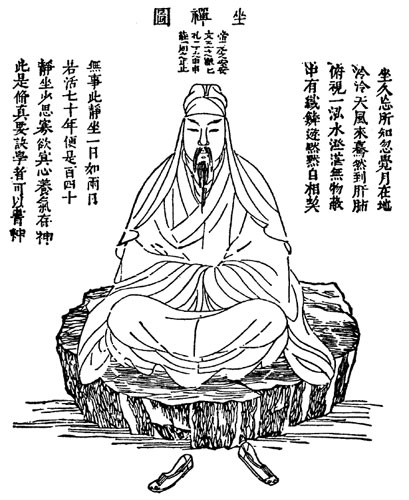
Taoist meditation in "The Secret of the Golden Flower"
Taoist meditation in “The Secret of the Golden Flower”

InnerSelf Sept-Nov 2015

innerself.com.au

Types of Meditation- An Overview of 23 Meditation Techniques

liveanddare.com

Keep Taking the Meditation 

http://www.mindbodysolutions.com.au/newsletters/keepingtakingthemeditation.pdf

Richard Davidson

https://en.wikipedia.org/wiki/Richard_Davidson

In your backyard..

The following fauna is familiar in the Australian bush and if you’re lucky you may see it in your backyard..
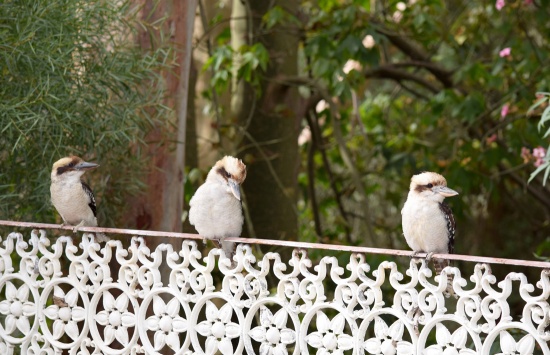
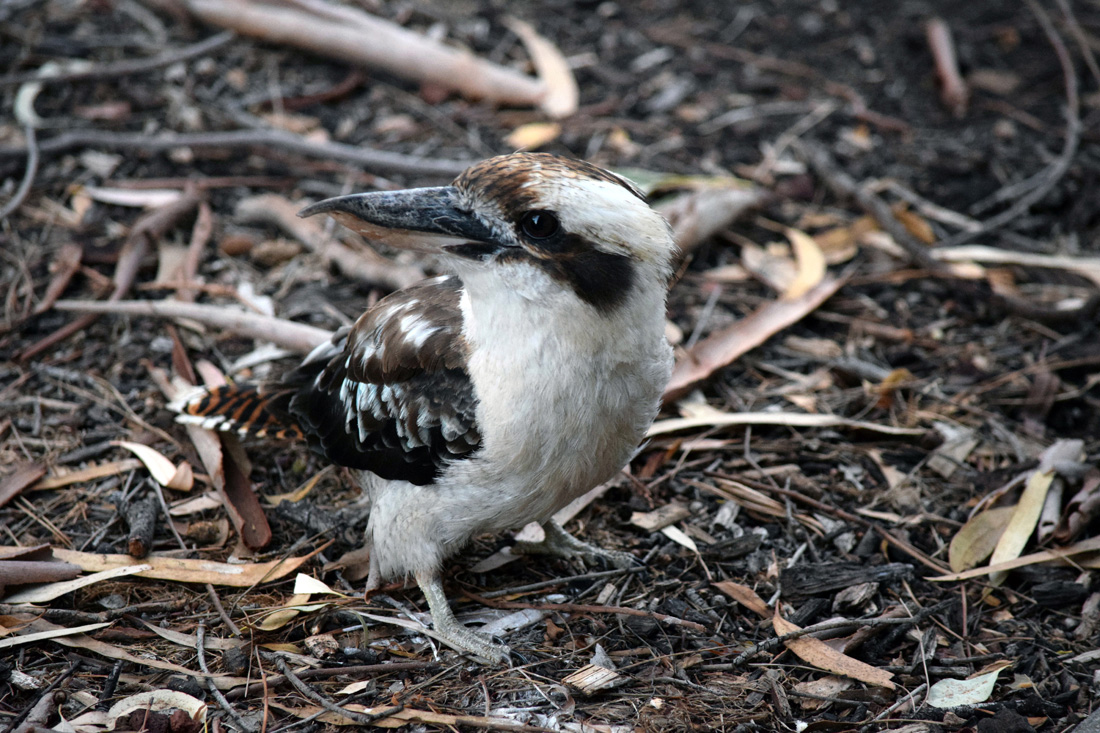
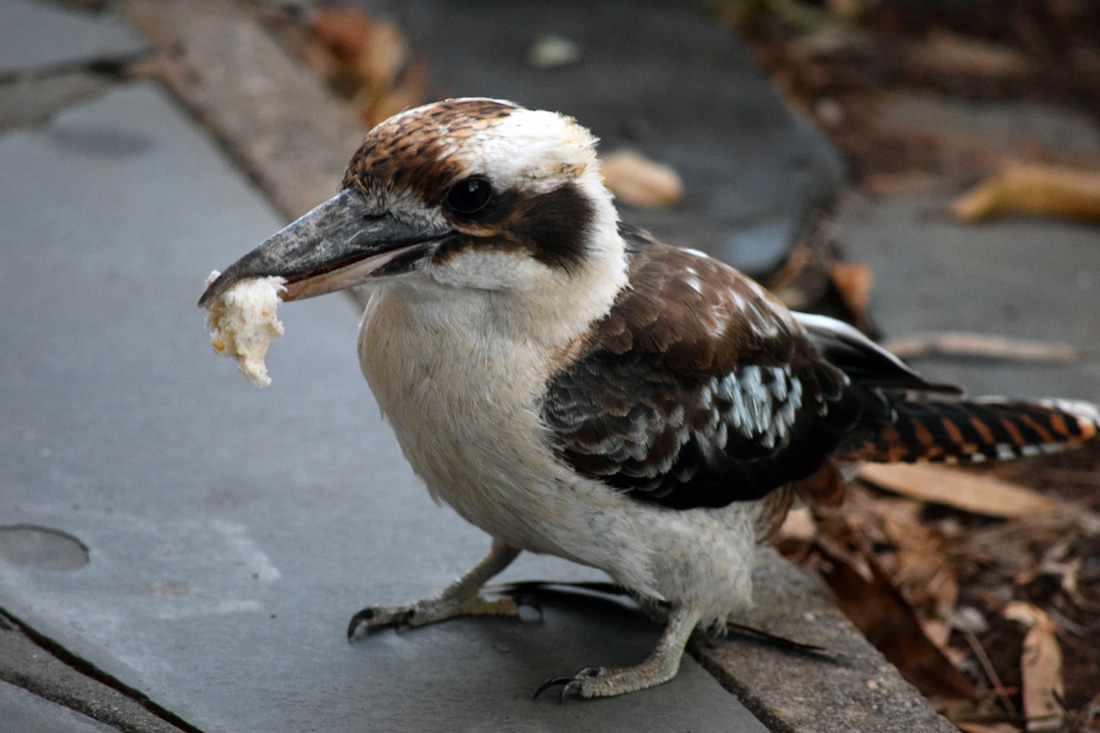
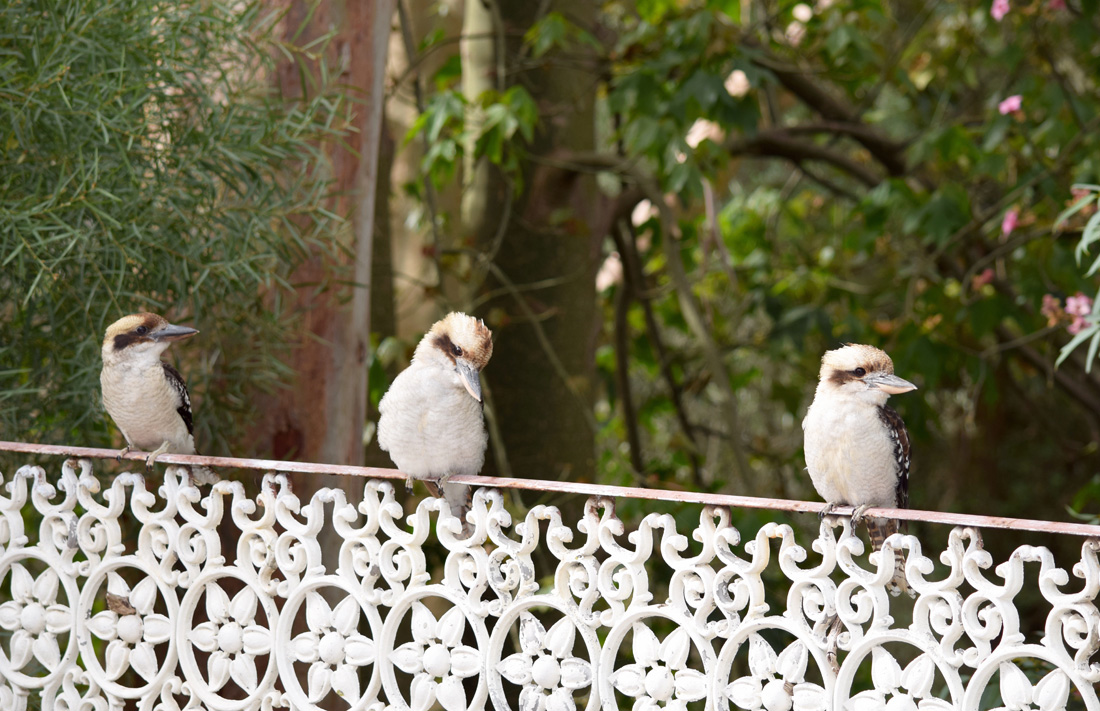
Perhaps for its iconic bird song alone, the Kookaburra’s distinctive laughter is quintessentially Australian. 

It is a member of the Kingfisher family (of which there are more than ten Australian species)* and is also known as the laughing jackass.

It has a large head, a massive neck and bill for catching prey and breaking their necks. Earth tone camouflage plumage and the ability to perch motionless and undetected are ideally suited for catching prey.

*Of these there are strictly only two true kingfishers: the Azure Kingfisher and the Little Kingfisher of the genus Ceyx.

Kookaburra, Dacelo gigas

i) close-up
kook-portrait-1

ii) ‘you can’t see me, i’m camouflaged’
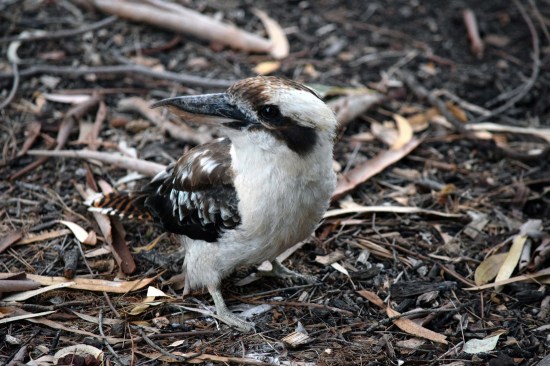
iii) ‘is this real grub?’

kookaburra-portrait-2

iv) three’s a crowd

kookaburras-3

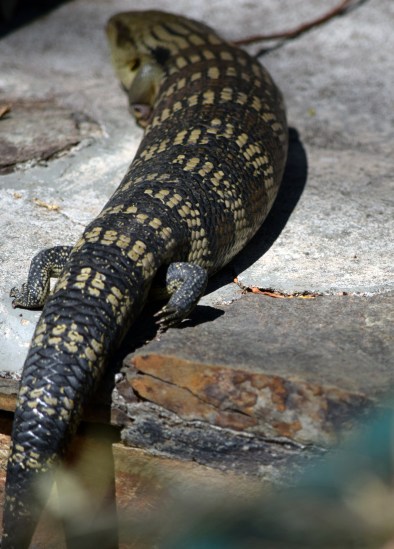
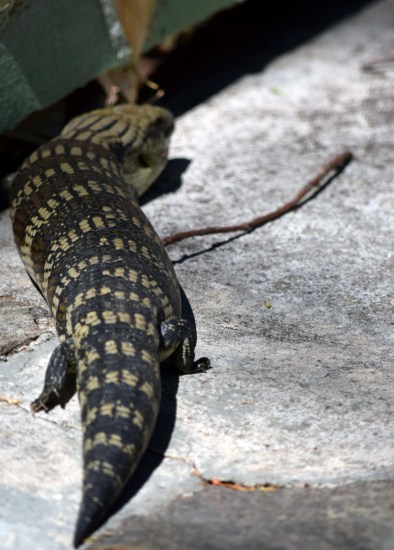
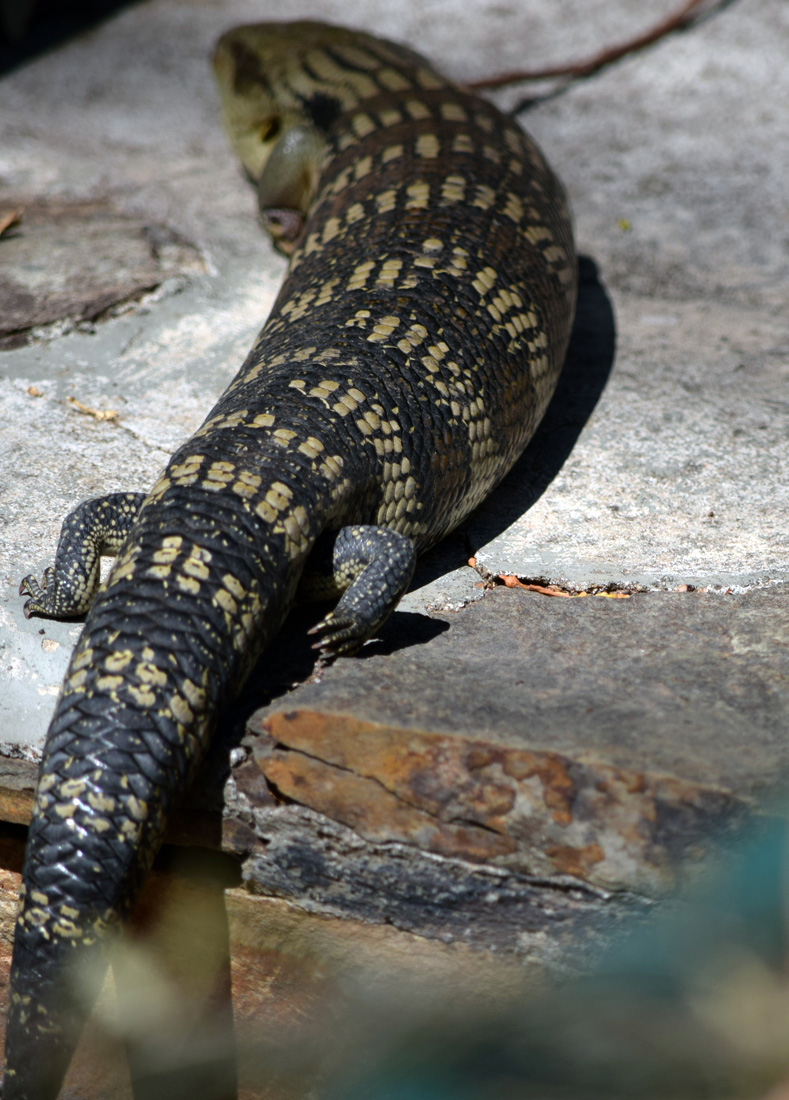
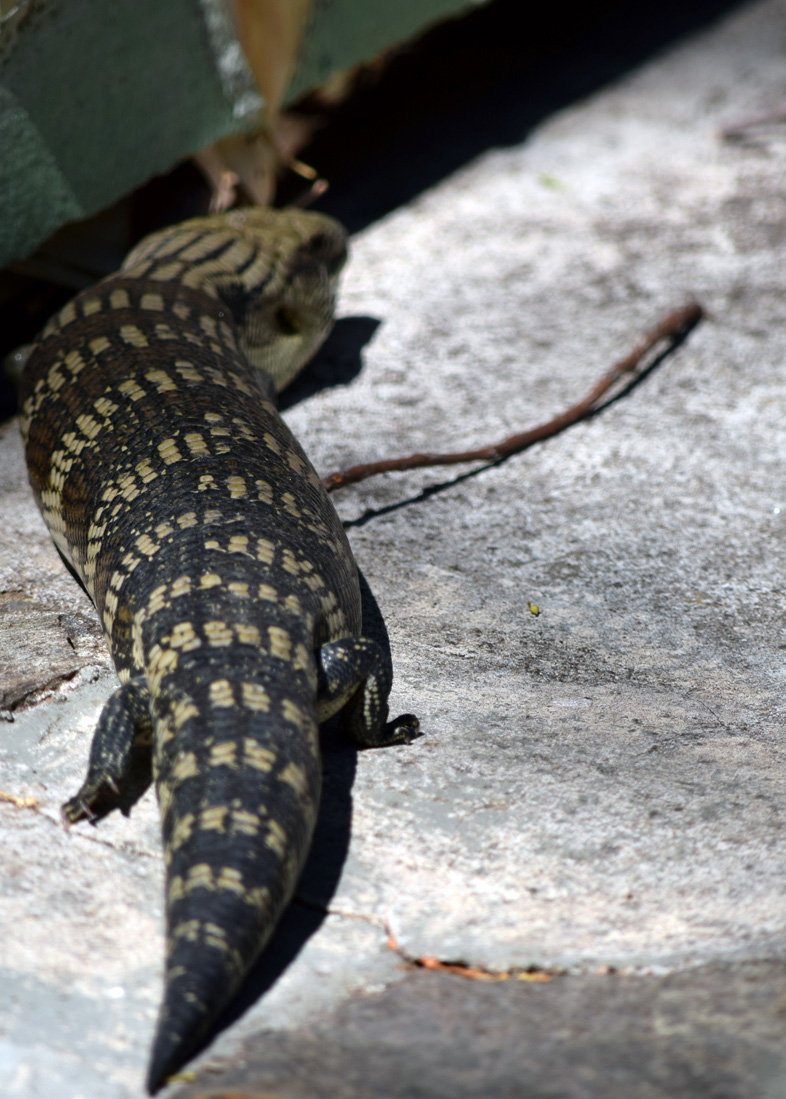
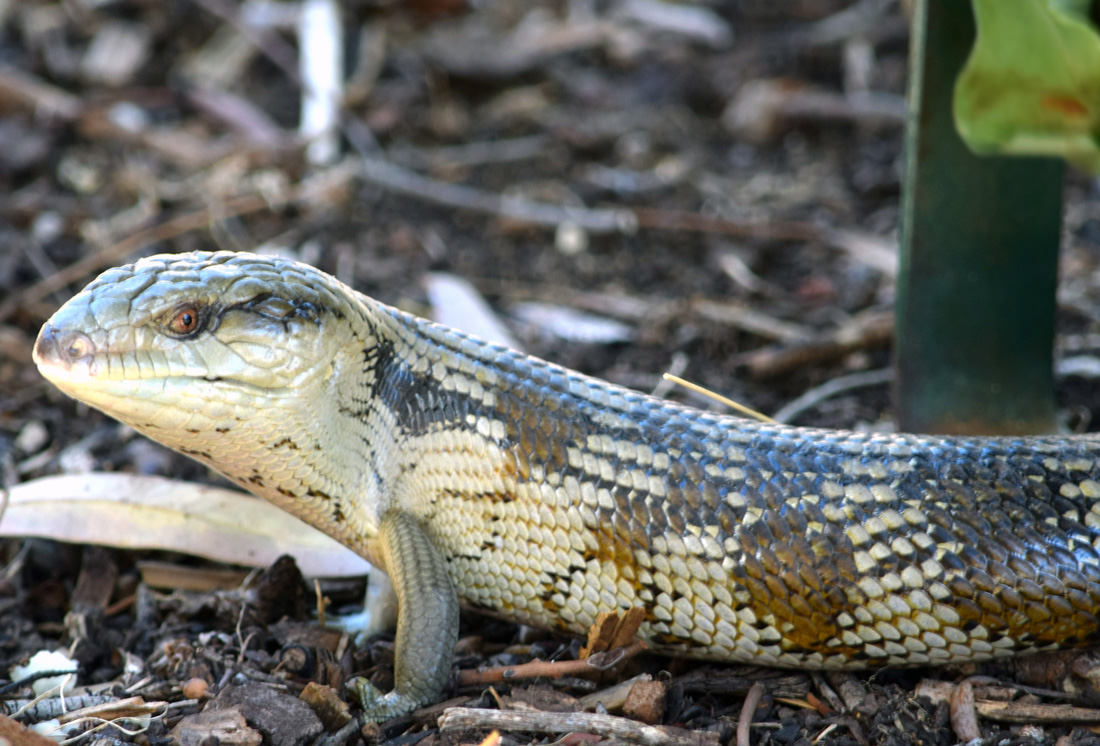
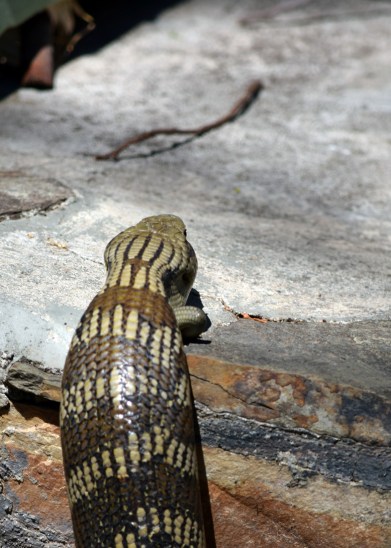
Aptly named the Blue tongue, the Tiliqua Scincoides or Blue Tongued Skink has a characteristic and distinct blue coloured tongue. It is a relatively large lizard, up to 45cm in length in some cases.

It is ground feeding, omnivorous and its diet includes snails, slugs, fruit, berries, flowers and insects. Grey stripes cover most of its body contrasting with a pale grey belly. The limbs are especially small and the head is a characteristic triangular shape.

It is relatively common in Australian suburbs and can be bred in captivity.

Blue Tongue, Tiliqua scincoides

i), ii) & iii) climbing a step 
liz-2  liz-3  liz-1

iv) ‘smile & i’ll crack the lens’ v) distant relative..
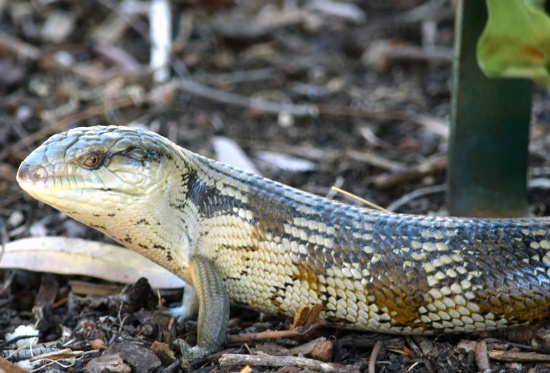
lizzy-portrait


until next time..

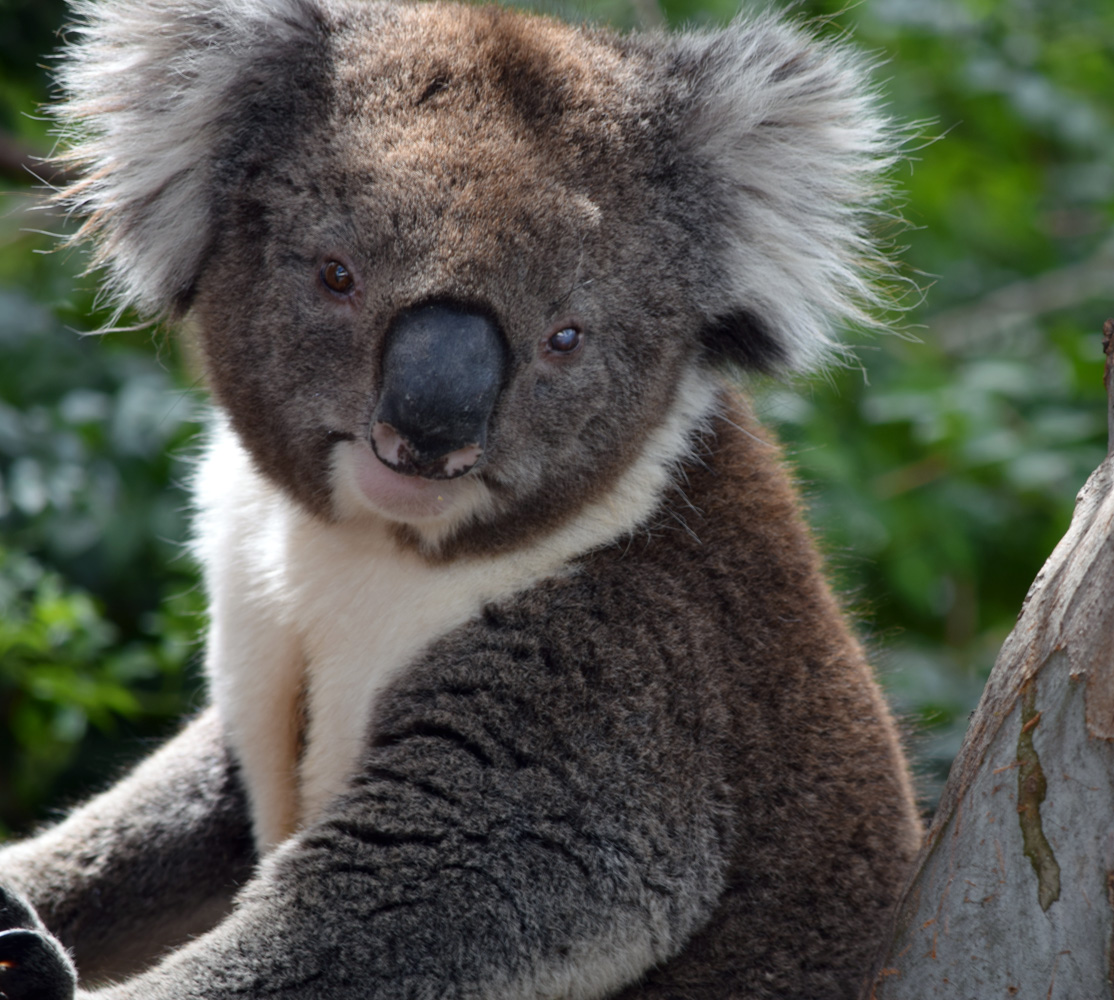
The Koala hardly needs an introduction as it is so celebrated and is universally recognised as an Australian symbol. Its closest living relative is the wombat and is found in coastal regions of Queensland, New South Wales, Victoria and South Australia (not Western Australia or Tasmania).

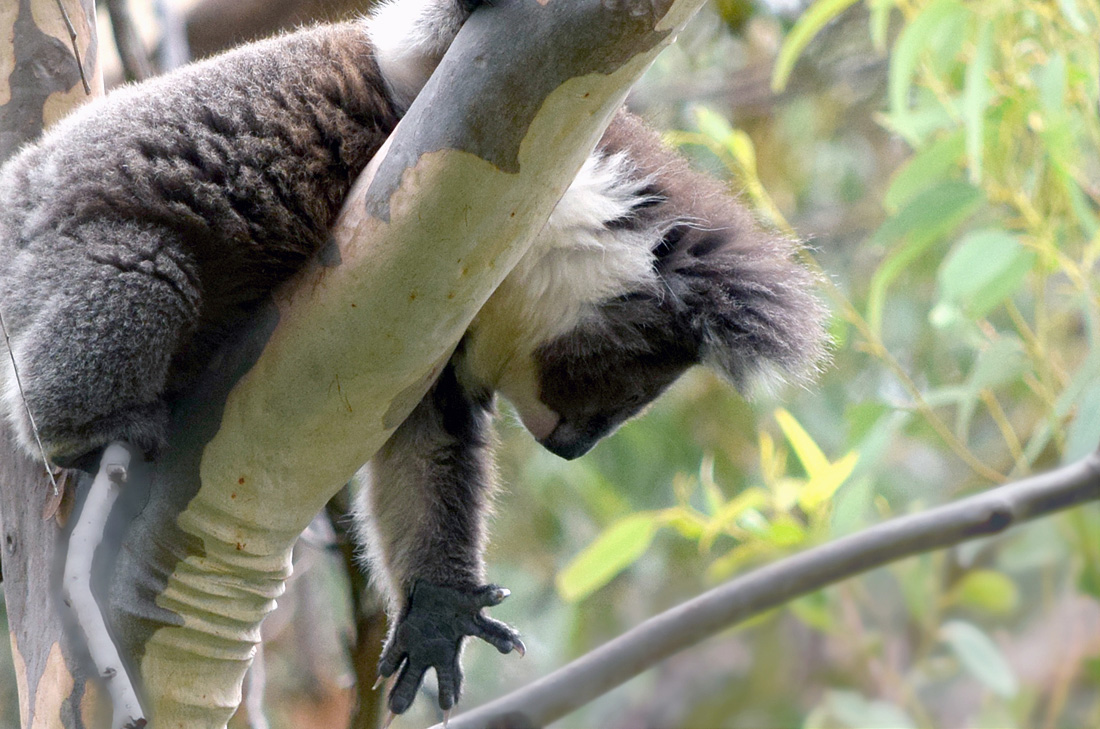
The diet is primarily eucalypt leaves and the limited nutritional and caloric content demands twenty hours of sleep a day.

If you see a koala up a tree alone and drenched in torrential rain, don’t underestimate it. Having especially thick insulating fur (the most of any marsupial) it is specifically adapted to stave off wind and rain as well as solar radiation. Unique body symmetry and long claws mean for tree scaling and effortless mobility in treetops.

Large scale culling of koalas early in Twentieth Century resulted in public outcry and the species is since protected and has established sanctuaries. Re-habitation and breeding programs are re-establishing numbers.

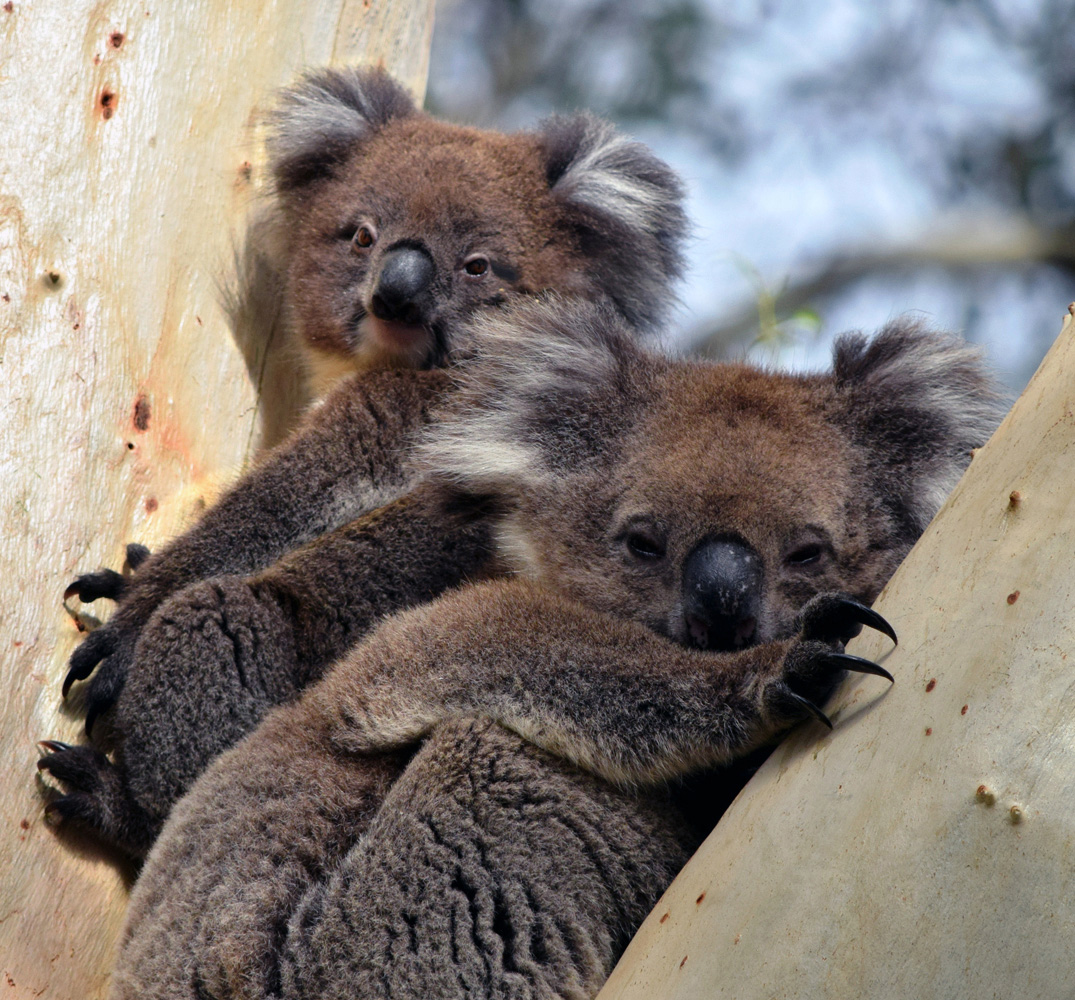
Koala, Phascolarctos cinereus

i) ‘yes, i know i’m handsome but hurry up’ 
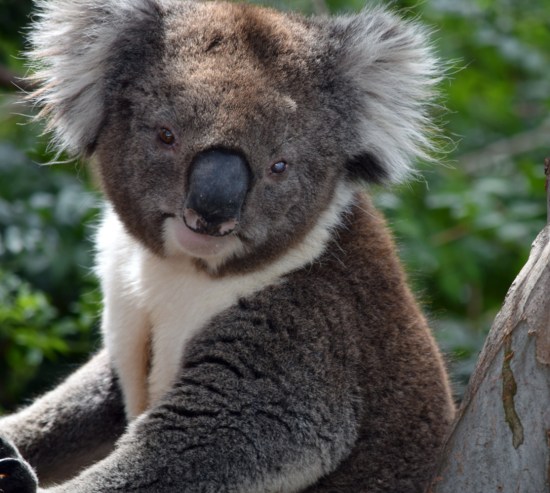
ii) well, hello
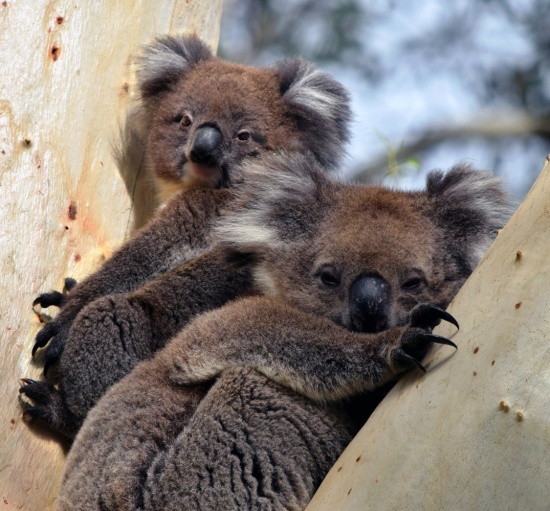
mother-&-baby-bear

iii) two opposable digits for grasping
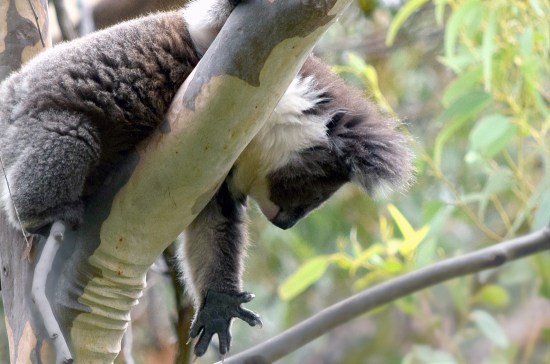
bear-reaching


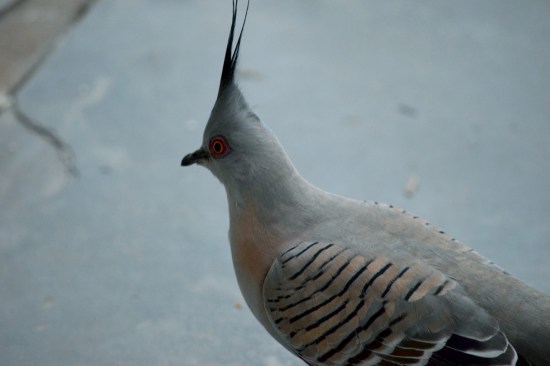
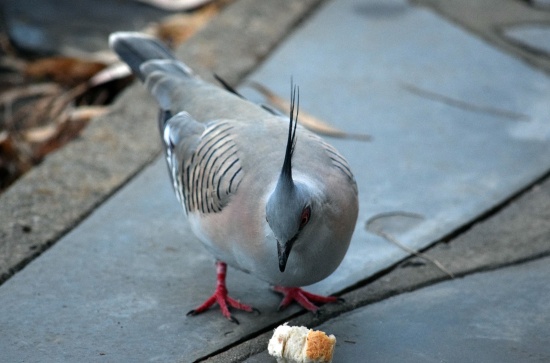
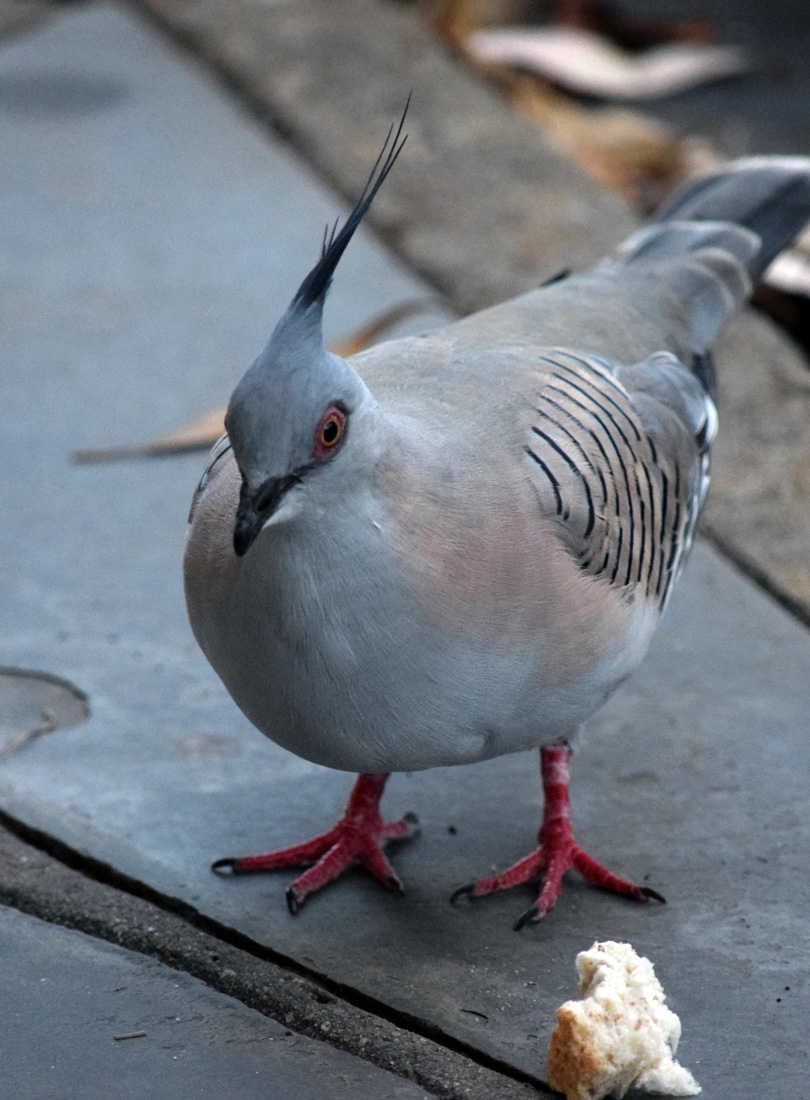
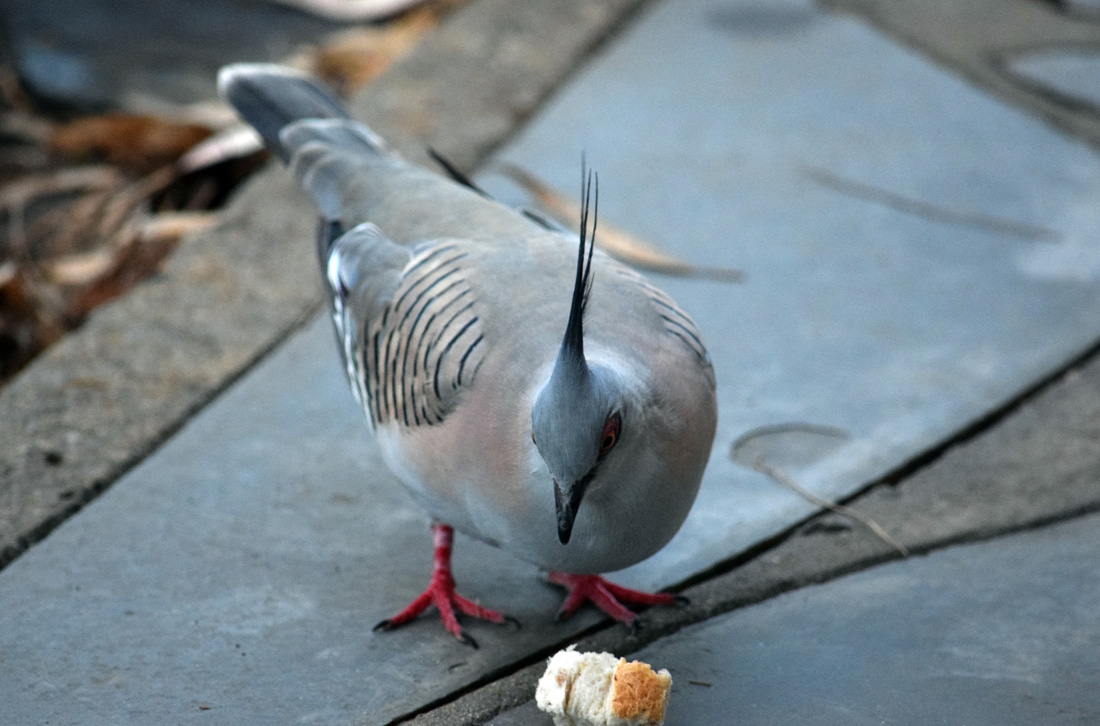
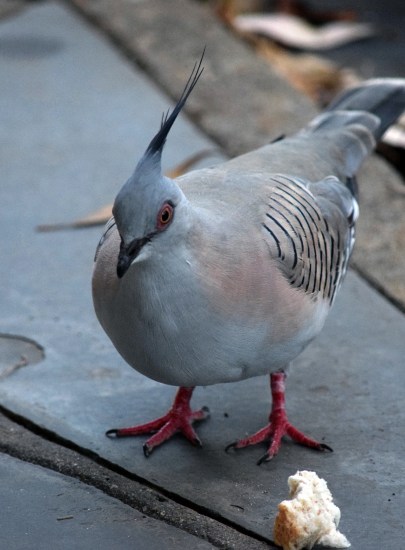
Champions of navigation and flying, pigeons and doves have adapted to vastly variable habitats. The Crested Pigeon is known for its beautiful head feathers, bright pink legs and feet and its subtle coloured wing feathers. A single ‘woo’ call and a special tinkling sound created during take-off are also distinctive. The Crested Pigeon must have close proximity to water.

Crested Pigeon, Ocyphaps lophotes

i), ii) & iii) ‘yes, i know i’m pretty’ 
native-pigeon-3-alt


native-pigeon-1


native-pigeon-2


until next time..

(from Kuku koala)