Christmas presents pose more than a challenge for the likes of moir, especially for the younger family members. So I take thee over to the art shop hoping for random inspiration (or a welcome distraction). What’s going on? What are all these materials? Aargh, I feel sidelined again. It’s all new to me. I beeline to the sculpture supplies and recognize clay and Plasticine. What is balsa wood doing in an art shop? It’s been a while. Now I’m overwhelmed. But I came here for some answers. Air dry clay? I search the internet and it’s so confusing. A week later I discover six types of non kiln firing clay.
Polymer clay
Polyvinyl chloride based oven baked clay. It shapes easily and seems to have become the Lego of new generation clay. Think Schleich figurines and plastic plumbing. PVC has a mid weight feel. Compares favorably to earthen clay which is quite a claim. Takes equally well to fine detail.
Paper clay
Very versatile clay. While not replicating the qualities of earthen clay it is light weight and air drying. These advantages alone set it apart.
Cold porcelain
Main ingredients are corn starch and PVA. It has a unique semi translucency. Ideal for jewellery as it is heavier then paper air dry and takes to fine detail. But it’s food for insects so be prepared for potential damage down the track.
Epoxy clay
Two part epoxy. Has a fixed curing time so requires adequate preparation.
Earthen air dry
If you imagine regular earthen clay without any need for kiln firing. It is also mineral based and the most popular air dry clay. Could be seen as an alternative to traditional clay and has the same weight. Ideal for professionals and beginners alike.
Magic clay
A relative newcomer to the shelves but a real competitor especially in the kids market. No kneading required and has a smooth consistency. While it doesn’t have density and body for complex form it takes to simple shape making. Remarkably light and flexible when dry.
Tag: Media
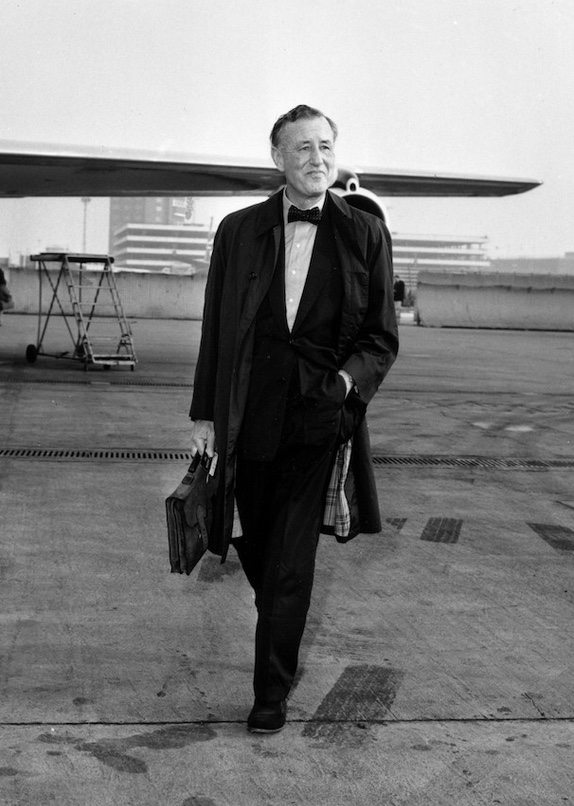
Ian Fleming
For someone with no literary aspirations, ‘if I wait for genius to come, it just doesn’t arrive’ and to confess his Casino Royale as an ‘oafish opus’, how did Ian Fleming manage so much success? Maybe there’s something beneath the self deprecation, behind the throwaway one-liners.
Born into a wealthy family and schooled at Eton, the style and content of his writing contains the world of the privileged. To some degree this is to be expected but it was to be his work as a journalist and in the military with the secret Intelligence during WW 2 where he obtained first hand experience for his thriller spy novels. The central character, James Bond is similar to Fleming’s own character including his penchant for martinis, clothing sense and inability to maintain deep relationships. But the similarities end there as he was plagued with ill-health and taken to addiction. Excessive sedentary living and smoking eighty cigarettes a day inevitably take their toll. What broke his habits must have been the inspiration. Each day while at his retreat in Jamaica, he’d rise for an early morning swim and write two thousand words before lunch. And it must have paid off as he would become the biggest selling crime writer in the US. Even President Kennedy was a fan.
So what was his secret?
It goes without saying, an imagination for creating a set of endearing and memorable characters. A dastardly villain with particularly obnoxious sensibilities may not be so hard if you base them on someone you already know – Blofeld was named after a rival from Eton and Goldfinger from his neighbor architect who’s buildings he hated. But then you have to contrast the evil with regular character types. Fleming’s knowledge of people in the military and Secret Intelligence helped to develop characters such as Miss Moneypenny and Q but they are really composite personalities in the author’s past. A propensity for guns and gadgets ironically reinforce a sense of reality. While they may seem farfetched and fanciful they at least appear plausible. In the context of the far flung story world they manage to reinforce it. And with the characters firmly grounded in the reader’s mind, Fleming can let loose with an all out electrifying, hair raising adventure story that doesn’t let up to the very end.
Sixty years on from Fleming’s death, the Bond saga is as popular as ever and has survived inevitable cultural change. Analysis of the Fleming magic formula can be evasive as is Patricia Highsmith’s Ripley or J.K. Rowling’s Harry Potter. Perhaps it’s best left a mystery.
Unhinged
I found myself watching Unhinged at the local cinema and wondered why I was there. Its the first time I could actually visit the cinema after the covid lockdown but it felt anticlimactic. A lawyer friend recommended the flick but it wasn’t until a critical scene that it ‘clicked’. Here is a lawyer on celluloid who is subject to the wrath of a road raging psychopath. The ‘unhinged’ Tom Cooper (Russell Crowe) manages to track them down on his victim’s phone. The grizzly scene is set in a suburban diner and ends quickly enough when Cooper reveals his intent. Continue reading Unhinged

